• Home
  • About Us
    • Mission and Vision
    • Our Journey
    • Cluster Development Approach
    • Board of Trustees
    • Our People
    • Partners
    • Awards
    • Annual Reports
    • FCRA Contribution
  • Our work
    • Environment
      • Project
      • Resources
    • Livelihood
      • Project
      • Resources
    • Policy & Research
      • Mapping Clusters
      • Capacity Building
      • Policy Papers
    • Digital Literacy
      • Project
  • Get Involved
    • Volunteer
    • Internship
    • Corporate Partnerships
    • MSME Corner
    • Careers
    • Tenders
    • Micro Sites
      • Cluster Observatory
      • BMO Awards
      • Art-Hi-Shan
      • ERWE by CISCO
      • APAC Cyber Security Fund
  • Media
    • Resources
      • Video Library
      • Publications
      • Newsletters
    • News
      • MSMEs News
      • FMC News
    • Events
    • Social Media Feeds
    • FMC Chronicles
  • Contact Us
  • +91-11-40563323
  • info@msmefoundation.org
Login
  • Login
  • Home
  • About Us
    • Mission and Vision
    • Our Journey
    • Cluster Development Approach
    • Board of Trustees
    • Our People
    • Partners
    • Awards
    • Annual Reports
    • FCRA Contribution
  • Our work
    • Environment
      • Project
      • Resources
    • Livelihood
      • Project
      • Resources
    • Policy & Research
      • Mapping Clusters
      • Capacity Building
      • Policy Papers
    • Digital Literacy
      • Project
  • Get Involved
    • Volunteer
    • Internship
    • Corporate Partnerships
    • MSME Corner
    • Careers
    • Tenders
    • Micro Sites
      • Cluster Observatory
      • BMO Awards
      • Art-Hi-Shan
      • ERWE by CISCO
      • APAC Cyber Security Fund
  • Media
    • Resources
      • Video Library
      • Publications
      • Newsletters
    • News
      • MSMEs News
      • FMC News
    • Events
    • Social Media Feeds
    • FMC Chronicles
  • Contact Us
  • Home
  • About Us
    • Mission and Vision
    • Our Journey
    • Cluster Development Approach
    • Board of Trustees
    • Our People
    • Partners
    • Awards
    • Annual Reports
    • FCRA Contribution
  • Our work
    • Environment
      • Project
      • Resources
    • Livelihood
      • Project
      • Resources
    • Policy & Research
      • Mapping Clusters
      • Capacity Building
      • Policy Papers
    • Digital Literacy
      • Project
  • Get Involved
    • Volunteer
    • Internship
    • Corporate Partnerships
    • MSME Corner
    • Careers
    • Tenders
    • Micro Sites
      • Cluster Observatory
      • BMO Awards
      • Art-Hi-Shan
      • ERWE by CISCO
      • APAC Cyber Security Fund
  • Media
    • Resources
      • Video Library
      • Publications
      • Newsletters
    • News
      • MSMEs News
      • FMC News
    • Events
    • Social Media Feeds
    • FMC Chronicles
  • Contact Us

Cluster Development  ·  Digital Empowerment  ·  Sustainability

From Classroom to Textile Recycling Units: A Student Exposure Visit to Panipat

By fmadmin 

From Classroom to Textile Recycling Units: A Student Exposure Visit to Panipat

Author: Aliya Khan

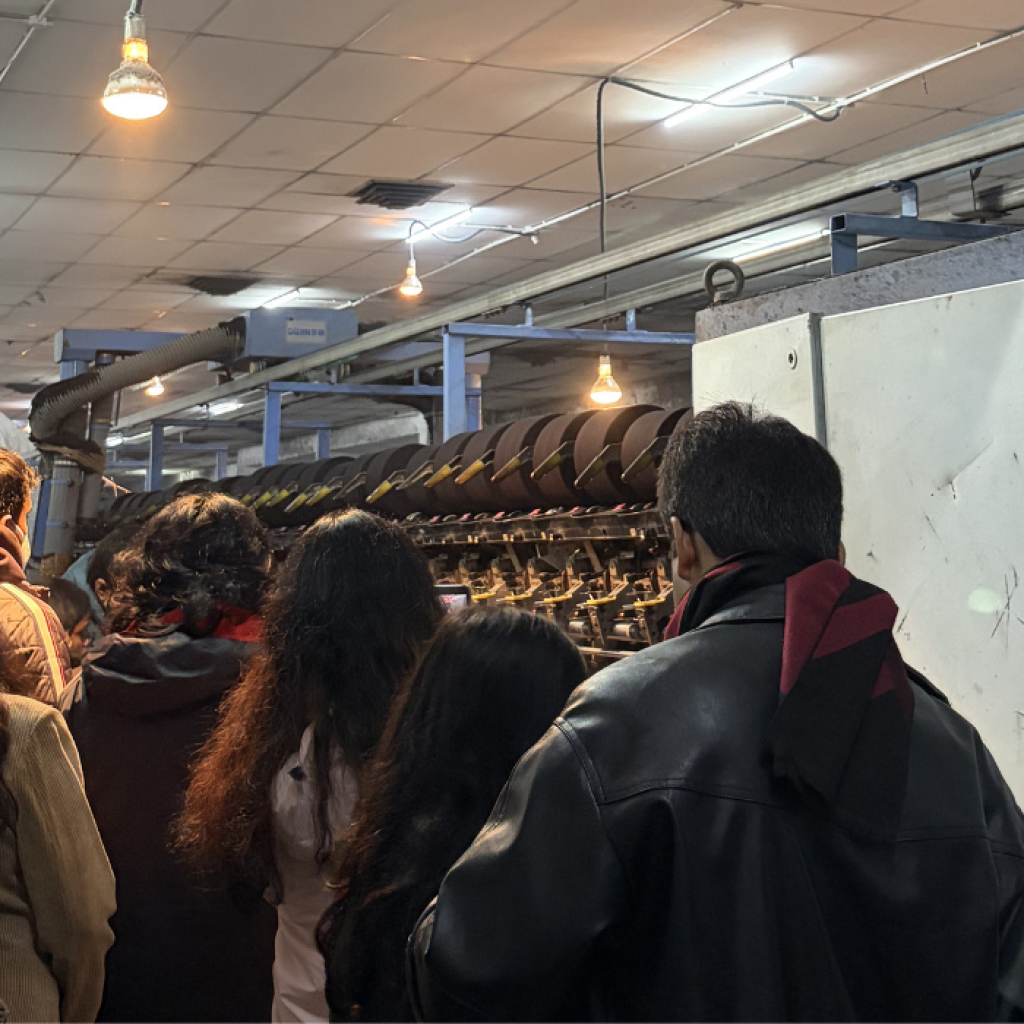
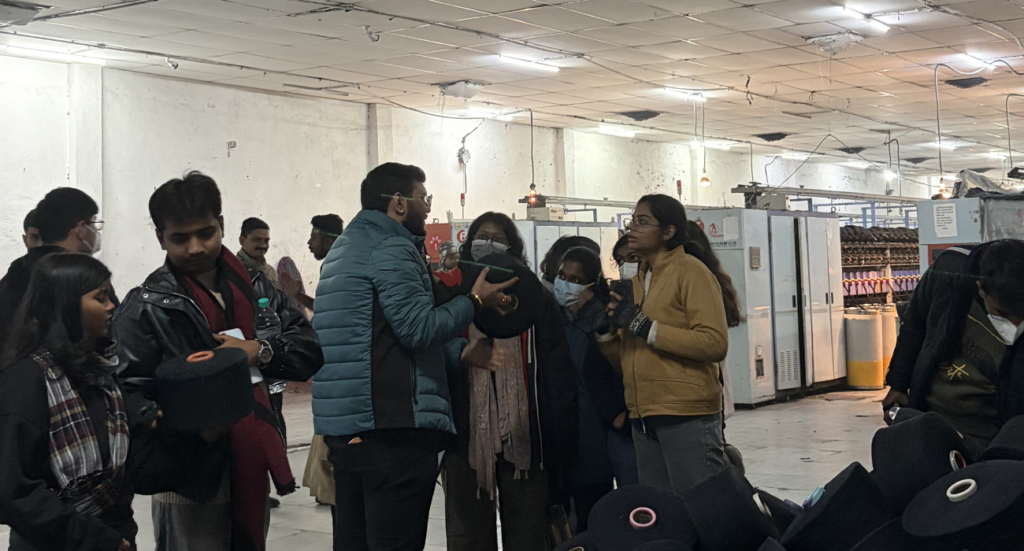
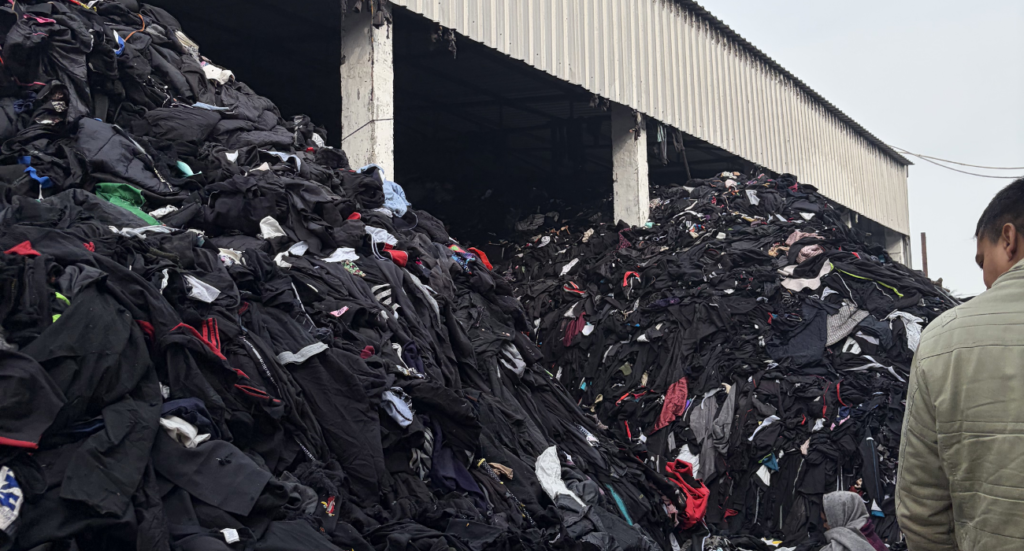
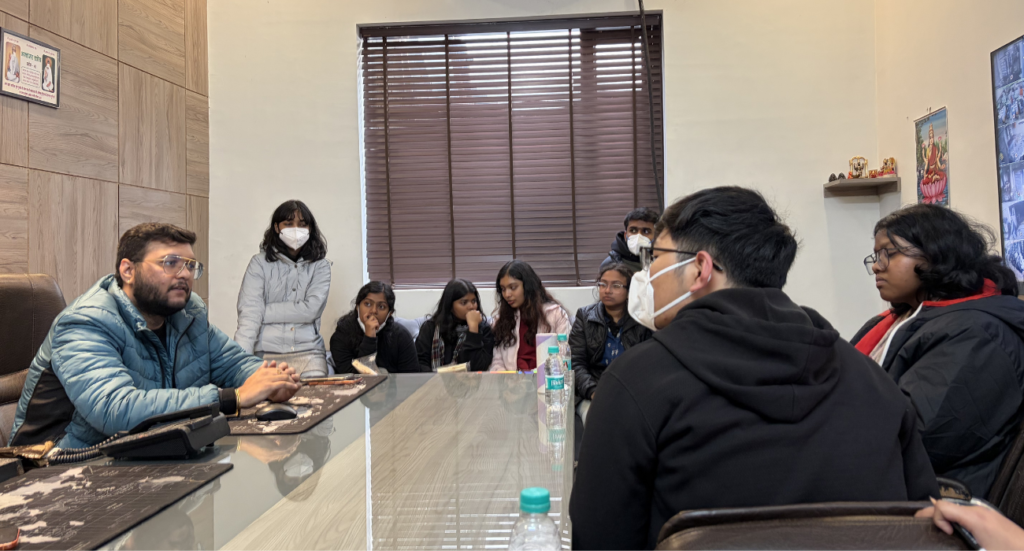
Recently, FMC organized a student exposure visit for members of the Environmental Society at St. Stephen’s College, DU to Panipat. The visit took students beyond textbooks and theoretical discussions, into the heart of textile recycling in Panipat—often referred to as India’s recycling hub.

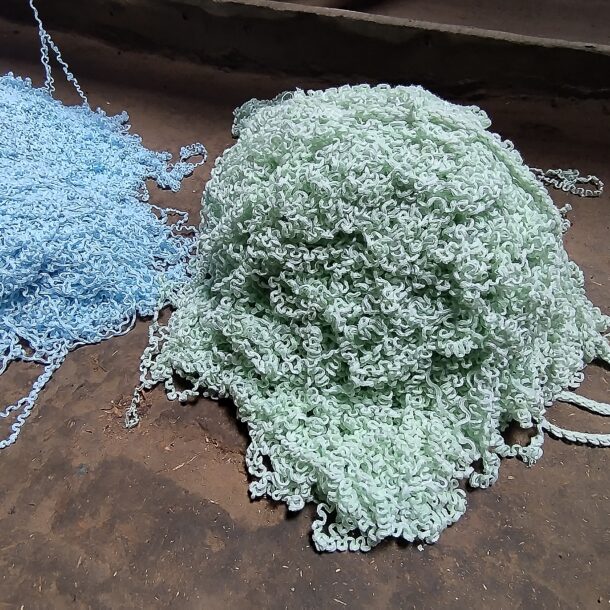
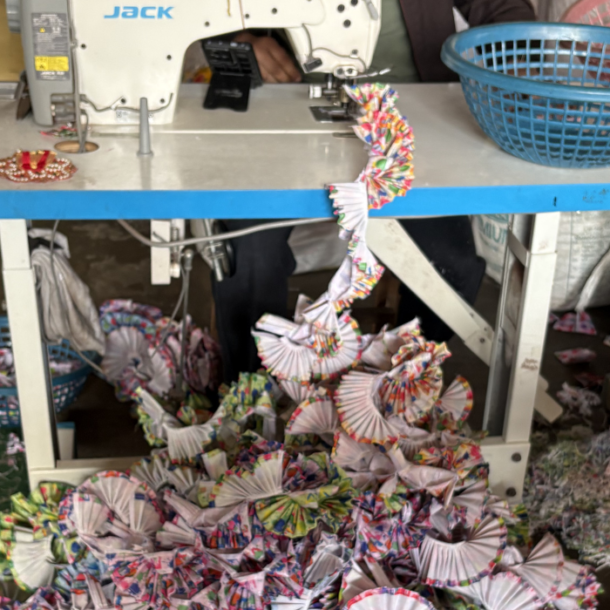
The students visited Sonia International, where they were guided through the entire lifecycle of textile recycling. From the sorting of discarded garments to fiber extraction, shredding, and eventual transformation into reusable materials, the process unfolded step by step. What is often spoken about in abstract terms like “circular economy,” “waste management,” “sustainable production”, became tangible and immediate.

What stood out most during the visit was not just the scale of operations, but the curiosity and engagement of the students. They actively questioned the systems they were witnessing: How does fast fashion contribute to this overwhelming volume of waste? What role does Extended Producer Responsibility (EPR) play in regulating industries? How are labour conditions structured within recycling economies, and where do gender dynamics come into play?

These inquiries reflected a generation that is not only aware but also deeply invested in interrogating the structures that shape our consumption patterns.

Exposure visits like this are crucial because they bridge a significant gap—between awareness and understanding. In classrooms, sustainability can sometimes feel like a distant, idealistic concept. But on the ground, it is complex, messy, and deeply intertwined with economics, labour, and global supply chains. Witnessing these realities firsthand allows students to move beyond simplified narratives and engage with sustainability in a more nuanced, critical way.

At the same time, such visits reaffirm why working with young people is so important. Students today are not passive recipients of information; they are future policymakers, entrepreneurs, researchers, and consumers. By exposing them early to real-world systems, we are equipping them to make more informed decisions whether that is through their careers or everyday choices.

40

The fashion and textile industry, in particular, stands at a crossroads. As one of the largest contributors to global waste and environmental degradation, it demands urgent rethinking. But meaningful change cannot come from industry alone—it requires informed participation from society at large. This is where student engagement becomes vital.

The visit to Panipat was not just an educational trip; it was a reminder of the power of experiential learning. It demonstrated that when students are given the opportunity to step outside their usual environments and witness processes firsthand, they don’t just learn—they question, reflect, and imagine alternatives.
And perhaps that is where real change begins.

SHARE:

Leave A Reply Cancel reply

Your email address will not be published. Required fields are marked *

*

*

Bhojpur’s Informal Recycling Cluster: Challenges and Opportunities
Previous Article
Next Article

The Foundation for MSME Clusters (FMC) specializes in promotion of MSMEs through cluster..

    Join Our Newsletter

    Our Work

    Environment
    Livelihood
    Policy & Research
    Cluster Development

    Get Involved

    Volunteer
    Intership
    Corporate Partnerships
    Tenders

    Quick Links

    Privacy Policy
    Terms of Service
    Contact Us
    Careers

    Contact

    USO House, 2nd Floor, USO Road, Off Shaheed Jeet Singh Marg, 6, Special Institutional Area, New Delhi – 110067
    • +91-11-40563323
    • info@msmefoundation.org
    Facebook X-twitter Linkedin Youtube Instagram

      Join Our Newsletter

      Copyright 2024 © All Rights Reserved