


Digital Threads: Empowering 60,000 Women Artisans
By fmadmin
Digital Threads of Change: Empowering 60,000 Women Artisans in India
Supported by CISCO
Project Synopsis
The Digitalization to Employment (D2E) project, supported by Cisco and implemented by FMC, is designed to improve the lives of 60,000 women artisans across five states of India—Odisha, West Bengal, Assam, Uttar Pradesh, and Madhya Pradesh. This project builds upon an earlier Cisco-supported initiative and focuses on helping women artisans learn new skills, use digital tools, and connect to better markets so that they can earn more and live with dignity.

Project Objectives
The main objective of the project is to train women artisans in drawing, design, productivity improvement, and digital technologies like the e-Production and Inventory Management Tool (e-PIMT). It also works on linking artisans with markets through online platforms such as the Virtual Exhibition Platform (VEP), e-commerce sites, and social media. The project further aims to create new opportunities for income, strengthen community-based organizations, and ensure artisans can access government schemes and social security benefits.

Pre intervention
Before this intervention, most women artisans had little exposure to modern designs or digital skills. Their productivity was low as they did not use structured systems for managing production and inventory. Market access was limited, with heavy dependence on middlemen, and artisans lacked visibility in larger markets. Community organizations were weak, which reduced their bargaining power, and very few artisans were covered under social security, leaving them vulnerable to financial difficulties.

Approach taken by FMC
FMC’s approach has been to provide hands-on training in drawing and design, set up e-learning centers and digital photography hubs, and introduce easy-to-use digital tools like e-PIMT. Women are being grouped into Producer Groups and Cluster-Based Organizations so they can work collectively and access resources more effectively. Artisans are also being onboarded to digital platforms and exhibitions, both online and offline, to connect them directly with buyers. Alongside, manuals, training material, and scheme information are being shared in local languages, and workshops at district, state, and national levels are being organized for policy support.
Expected Impact and Outcomes
The expected impact of this project is significant. Over time, artisans will gain stronger skills, improved productivity, and access to bigger markets. This is expected to generate business worth ₹2–2.5 crore and increase incomes by 20–25% for thousands of women. Adoption of digital tools will reduce wastage and inefficiency, and artisans will be better connected to social security schemes. Collectively, the project will empower women artisans, make their livelihoods more secure, and contribute to preserving India’s traditional crafts in a modern, sustainable way.

Ongoing Initiatives
Drawing training has already started in many areas, and social media training is being conducted to help artisans promote their products digitally. Work on organizing Producer Groups and connecting artisans to platforms is also in progress. Step by step, the project is moving towards creating lasting economic and social change for women artisans across India.
Success Stories
Assam: Success Story -Coming soon
Maniabandha Stitching and Embroidery – Empowering Identity, Enabling Livelihoods
Case Study 1 — Maniabandha Cluster, Cuttack
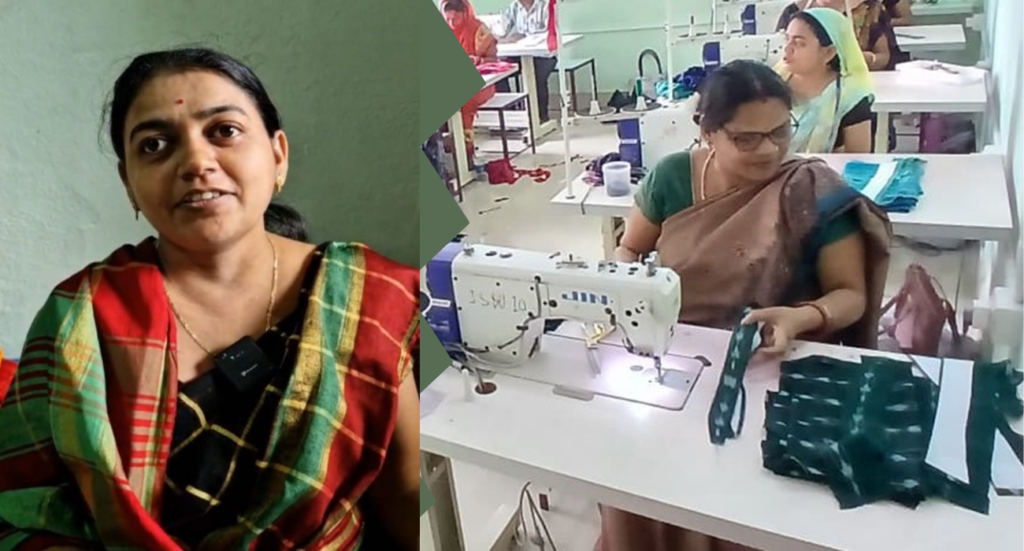
Artisan Name: Mrs. Saudamini Panda
Location: Mania bandha, Cuttack, Odisha Craft: Garment Stitching and Embroidery
Background
A widow by circumstance and an artisan by skill, Mrs. Panda possessed inherent capabilities in garment stitching and embroidery. However, prior to the intervention, she faced significant challenges — absence of a stable income and limited self-confidence due to lack of exposure and opportunities. Key Initiative: Pehchan Card
With strategic support from the CISCO project, women artisans in Mania bandha received free enrollment under the Pehchan Card initiative. This provided them with a formal identity and official recognition an essential yet often missing element for women in the informal sector. The Pehchan Card enhanced their visibility and strengthened their confidence in household and economic decision-making.
Intervention
Mrs. Panda participated in structured training programmed focused on drawing and design development. Regular interactions with external experts and local trainers helped her refine creative abilities and build technical proficiency. The project also enabled the BMO to participate in prominent trade fairs such as Baliya Tra, opening new market avenues, increasing product visibility, and generating additional sales.
Outcomes
From having no income at all, Mrs. Panda now earns approximately ₹6,000–7,000 per month. This transition signifies her movement towards independence, dignity, and social recognition. She now stands as a confident contributor to her household and a role model within her community.
Conclusion
Her story is a testament to the transformative power of targeted interventions that integrate identity, skill development, and market access, showing how well-designed initiatives create a ripple effect that empowers individuals, strengthens communities, and preserves traditional crafts.
Kantabanjhi Handloom – Migration Reduction through Skill Development
Case Study 2 — Kantabanjhi Cluster, Bolangir
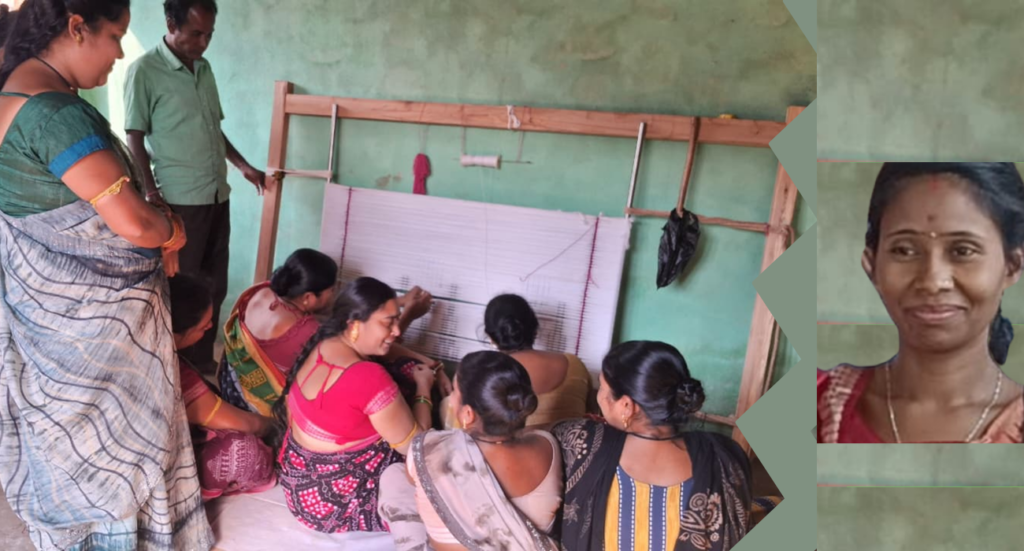
Artisan Name: Mrs. Sabita MeherLocation: Larki village, Kantabanjhi, Bolangir district, Odisha
Craft: Handloom / Dyeing and Tie-Dye
Background
Kantabanjhi in Bolangir district has long been identified as a drought-prone and migration-affected region. Limited local livelihood opportunities compelled many families to migrate seasonally to other states — particularly to brick kilns and other informal sectors. This pattern of distress migration adversely affected household stability and hindered the continuity of traditional skills.
Intervention
Under the CISCO-supported cluster development initiative, artisans received specialised training in dyeing, tie-dye techniques, and graph-based design development. These enabled artisans to upgrade technical capabilities, reduce dependency on master artisans, and actively participate in value-added processes within the handloom value chain.
Outcomes
Mrs. Sabita Meher from Larki village represents a compelling success story. She transitioned into a skilled dye artisan and no longer depends on migration for livelihood. She is now engaged in dyeing activities locally, earning a steady income and strengthening her role within the value chain.
Future Vision
Mrs. Meher is planning to establish a loom unit for her son — currently working as a weaver under a master artisan — so that together they can undertake end-to-end manufacturing of handloom sarees as a complete household-level production system.
Broader Impact
The Kantabanjhi cluster stands as a strong example of how targeted skill development and value chain strengthening can drive socio-economic change, reduce distress migration, and promote long-term resilience for rural communities.
Agra Zari–Zardozi Embroidery – Skill & Digital Inclusion
Case Study 1 - Building Confidence and Financial Independence
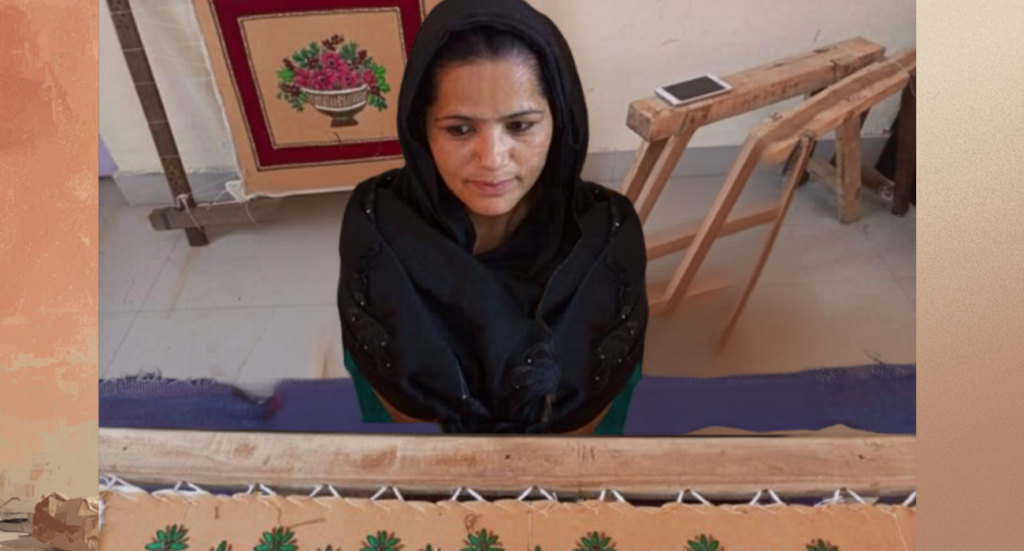
Artisan Name: Shabana Ansari
Location: Lohamandi, Agra
Craft: Zari–Zardozi Embroidery
Background
Shabana Ansari worked as a home-based artisan with limited income and no market exposure. She struggled to balance household responsibilities with income generation.
Project Intervention
The project provided her with skill enhancement training, group support, and digital payment orientation. She was also guided on pricing and order management.
Change and Results
Shabana now earns approximately ₹6,000–₹9,000 per month and has greater control over her work and earnings.
Social Impact
She has gained self-confidence, financial stability, and respect within her family and community.
Conclusion
The CISCO CSR project enabled Shabana to achieve economic independence and long-term livelihood security.
Case Study 2 - Enhancing Skills and Market Access through Digital Inclusion
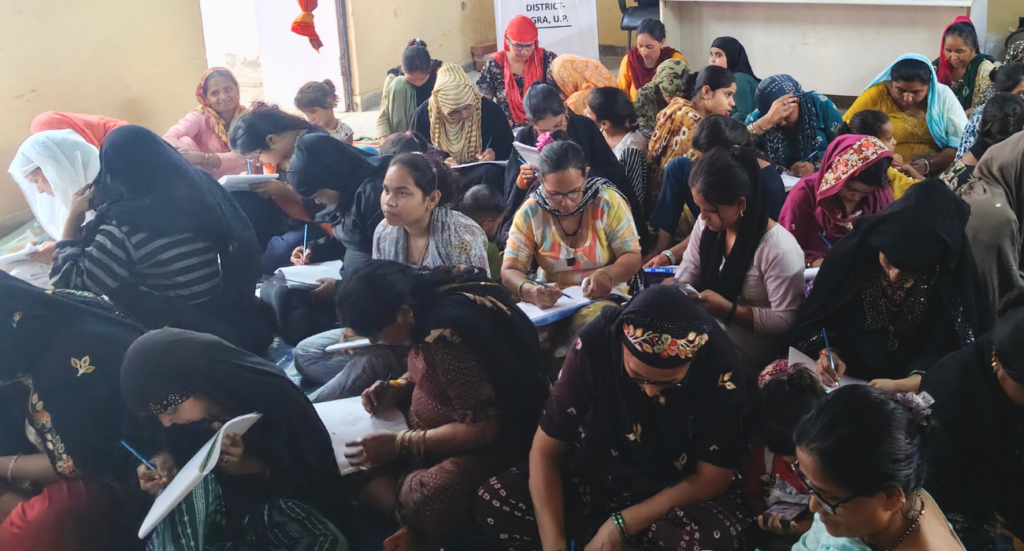
Artisan Name: Nazma Khan
Location: Fatehabad Road Area, Agra
Craft: Zari–Zardozi Embroidery
Background
Nazma Khan possessed strong embroidery skills but lacked exposure to market trends and product diversification. Her work was seasonal and income remained inconsistent. She had no access to formal banking or digital tools.
Project Intervention
Through the CISCO CSR project, Nazma received:
- Skill enhancement training focused on design innovation
- Orientation on digital literacy and online payment methods
- Collective production opportunities through women artisan groups
- Guidance on savings and financial planning
Outcomes
Nazma’s income stabilised at ₹6,000–₹8,000 per month. She began saving regularly and gained confidence to take up larger orders.
Social Impact
Nazma’s increased income strengthened household financial security and improved her social status within the community.
Conclusion
Digital inclusion and skill support enabled Nazma to transition from unstable work to a reliable livelihood.
Case Study 3 - From Traditional Skills to Digital Livelihood
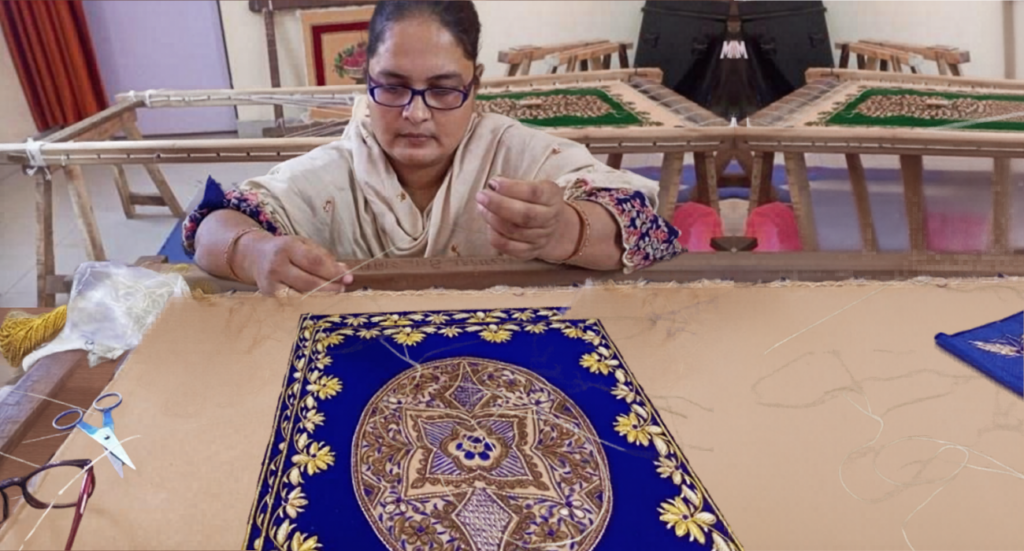
Artisan Name: Imarana
Location: Fatehabad Road Area, Agra
Craft: Zari–Zardozi Embroidery
Background
Imarana possessed strong embroidery skills but lacked exposure to market trends and product diversification. Her work was seasonal and income remained inconsistent. She had no access to formal banking or digital tools.
Project Intervention
Through the CISCO CSR project, Imarana received:
- Skill enhancement training focused on design innovation
- Orientation on digital literacy and online payment methods
- Collective production opportunities through women artisan groups
- Guidance on savings and financial planning
Outcomes
Imarana’s income stabilised at ₹6,000–₹8,000 per month. She began saving regularly and gained confidence to take up larger orders.
Conclusion
Digital inclusion and skill support enabled Imarana to transition from unstable work to a reliable livelihood.
Case Study 4 – Skill Enhancement and Financial Inclusion for Artisan Growth
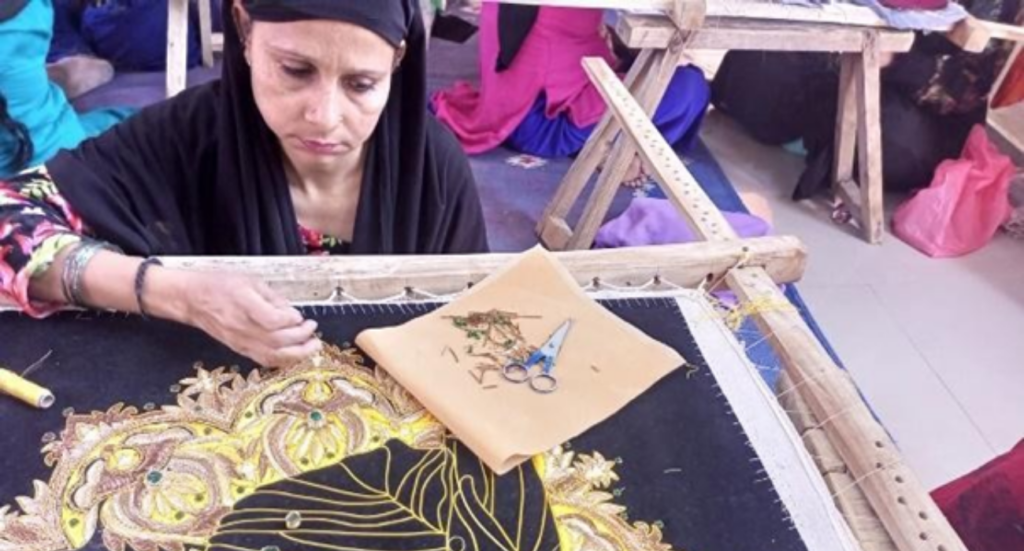
Artisan Name: Asma
Location: Fatehabad Road Area, Agra
Craft: Zari–Zardozi Embroidery
Background
Asma possessed strong embroidery skills but lacked exposure to market trends and product diversification. Her work was seasonal and income remained inconsistent. She had no access to formal banking or digital tools.
Project Intervention
Through the CISCO CSR project, Asma received:
- Skill enhancement training focused on design innovation
- Orientation on digital literacy and online payment methods
- Collective production opportunities through women artisan groups
- Guidance on savings and financial planning
Case Study 5 – Enabling Stable Livelihoods through Skill and Digital Inclusion
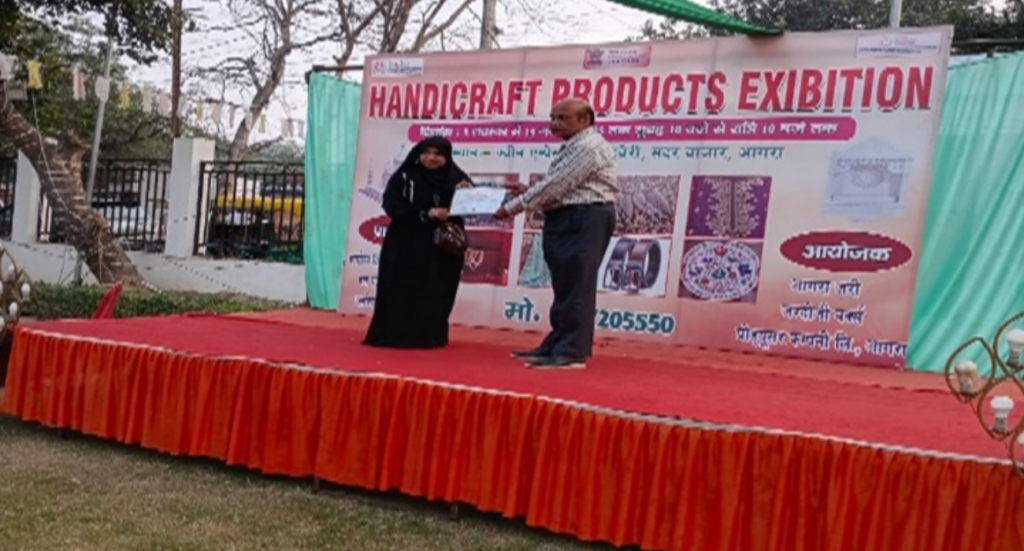
Artisan Name: Sajiya Begum
Location: Agra
Craft: Zari–Zardozi / Hand Embroidery
Background
Sajiya Begum is a skilled embroidery artisan who had been practising traditional hand embroidery for several years. Despite her craftsmanship, she faced challenges such as irregular work opportunities, limited product variety, and unstable income.
Project Intervention
Under the CISCO CSR-supported project, Sajiya Begum received:
- Skill upgradation training focused on contemporary designs and product diversification
- Exposure to quality standards and timely production practices
- Orientation on basic digital awareness and payment systems
- Opportunities for collective work through women artisan groups
Sanjhi Art – Skill Development
Case Study 1 - Skill Development through Sanjhi Art Training
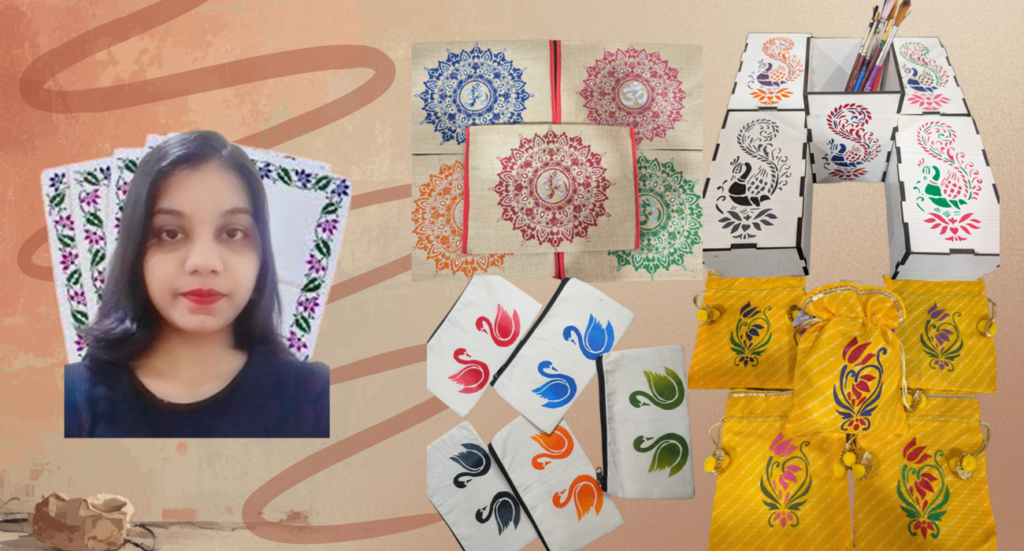
Artisan Name: Prachi Mishra
Location: Mathura, Uttar Pradesh
Training: Sanjhi Art Training under CISCO
What Happened
Under the CISCO project, Prachi received structured training in traditional Sanjhi art — covering classical designs, precision cutting, detailing, and finishing techniques. After completing the training, she independently started creating Sanjhi-based artworks including decorative articles and pouches with swan motifs. Her creations reflect a clear understanding of traditional motifs and improved craftsmanship.
Case Study 2 - Independent Practice of Traditional Sanjhi Art
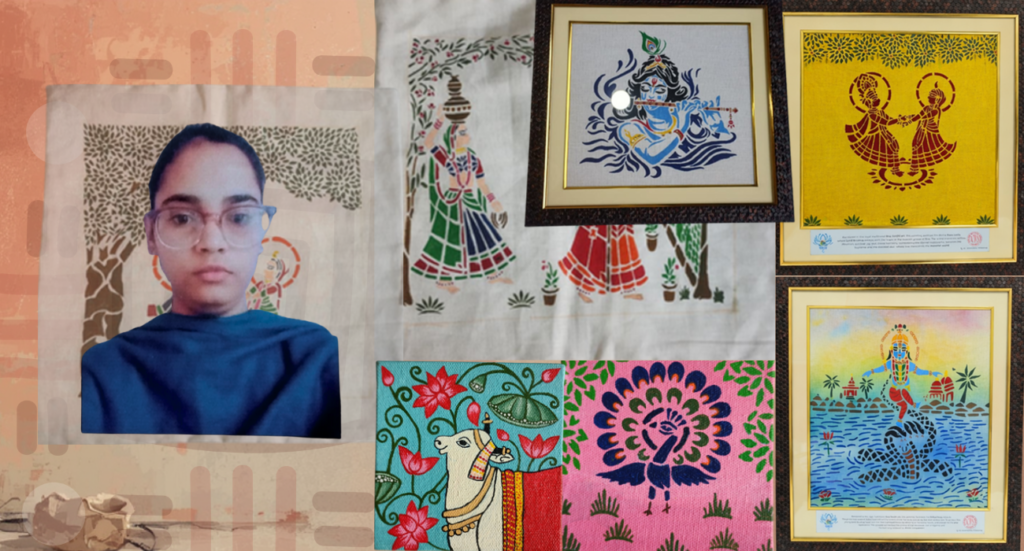
Artisan Name: Shaista
Location: Mathura, Uttar Pradesh
Training: Sanjhi Art Training under CISCO
What Happened
Shaista participated in Sanjhi art training under the CISCO project, gaining hands-on exposure to traditional design layouts, symmetry, cutting methods, and finishing standards. She began independently creating Sanjhi decorative articles including framed paintings and embroidered cushion covers. The training has enabled her to practise Sanjhi art with improved confidence and technical clarity.
Case Study 3 - Sanjhi Art as a Skill-Based Creative Activity
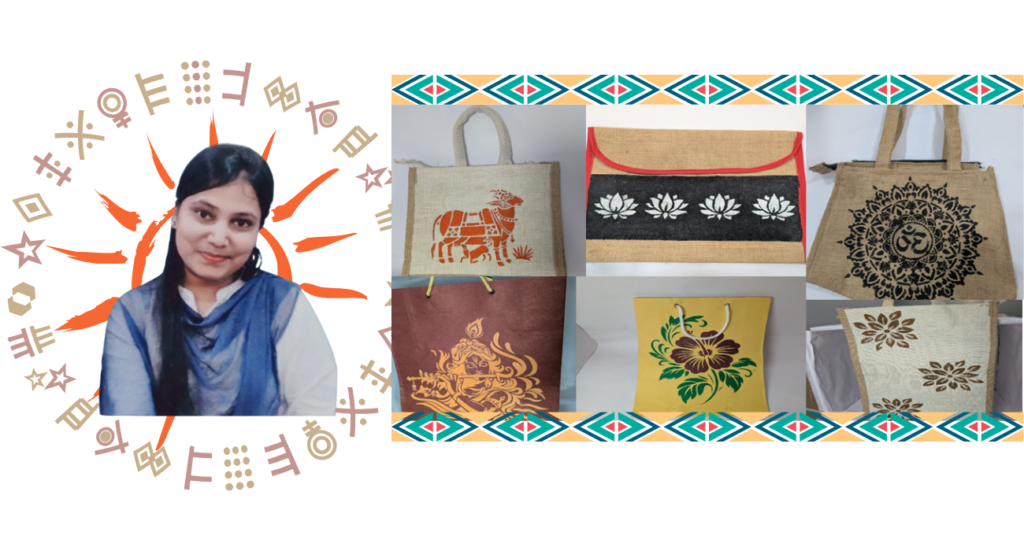
Artisan Name: Monika Agrawal
Location: Mathura, Uttar Pradesh
Training: Sanjhi Art Training under CISCO
What Happened
Monika received formal training in Sanjhi art under the CISCO project. The training focused on traditional Sanjhi patterns, material handling, and quality finishing. After completing the training, she started producing Sanjhi-based artworks on jute bags, gift bags, and other items independently. Her creations show consistency in design and attention to detail.
Case Study 4 - Application of Sanjhi Art on Deity Poshak
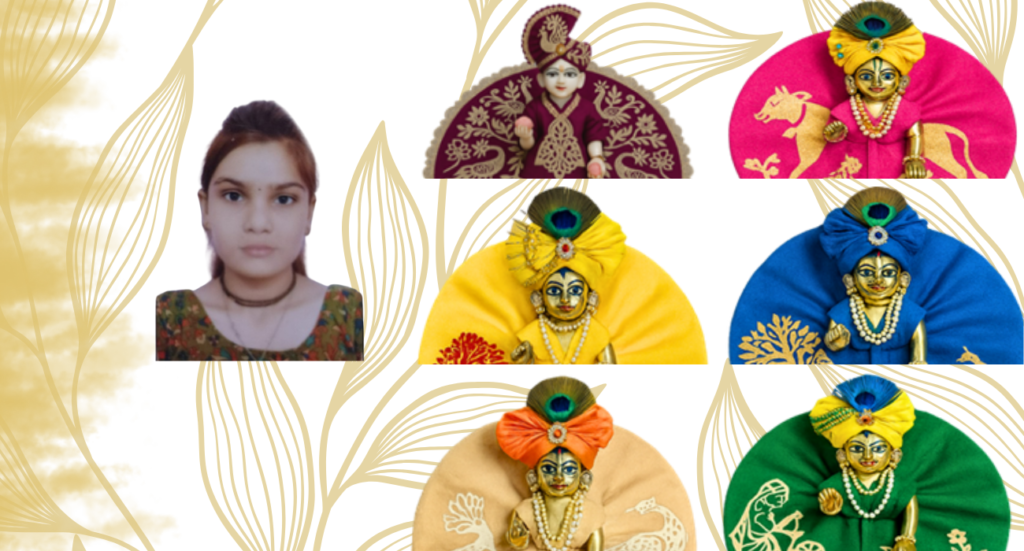
Artisan Name: Kanishka
Location: Mathura, Uttar Pradesh
Training: Sanjhi Art Training under CISCO
What Happened
Kanishka received structured training in traditional Sanjhi art under the CISCO project, with emphasis on classical motifs, precision cutting, and adaptation of designs for different surfaces. Post training, she began applying Sanjhi art on Deity Poshak (religious garments), translating traditional designs onto colourful devotional outfits. Her work reflects improved craftsmanship and practical application of Sanjhi art in a culturally significant product form.
Case Study 5 - Sanjhi Art on Deity Poshak after Skill Training
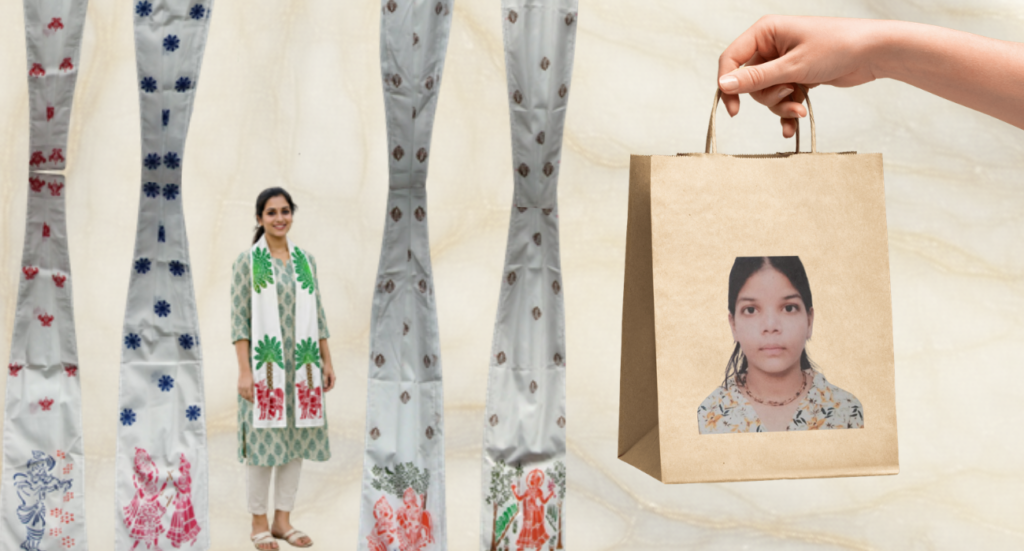
Artisan Name: Vanshika Agarwal
Location: Mathura, Uttar Pradesh
Training: Sanjhi Art Training under CISCO
What Happened
Vanshika underwent Sanjhi art training under the CISCO project, focusing on traditional design understanding, detailing, and finishing techniques. After completion, she started creating Sanjhi art on Deity Poshak independently. The training enabled her to expand her skill usage beyond decorative art and engage in functional artistic production for the devotional market.
Labpur Kantha Stitch Cluster - Birbhum, West Bengal
Kantha Stitch – From Wage Labour to Entrepreneurship
Case Study 1 - Wage Earner to Successful Entrepreneur, Labpur, Birbhum
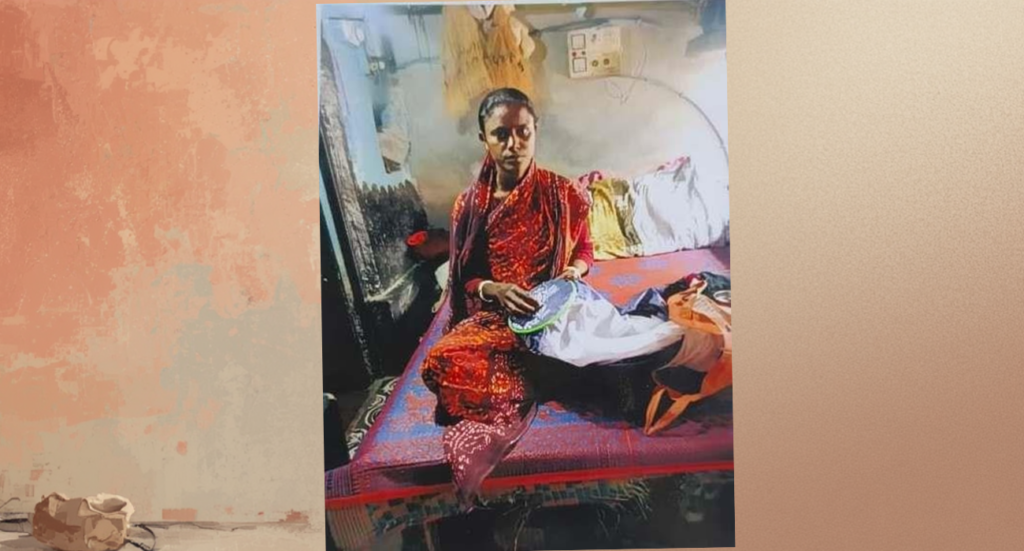
Artisan Name: Ram Sohagi Hazra Location: Jamna village, Jamna Gram Panchayat, Labhpur Block, Birbhum district
Craft: Kantha Stitch / Nakshi Kantha Embroidery
Background
Ram Sohagi Hazra is a village housewife whose goal was to become self-reliant. She chose traditional kantha stitch hand embroidery (nakshi kantha) as a means of self-employment. Initially, with no support system, she used to take sarees from local moneylenders and embroider them for very low wages — earning only ₹500–800 per month for one saree.
Project Intervention
The Foundation for MSME Cluster’s CISCO Project conducted a field mobilisation meeting in the village. After learning about the project, she submitted her documents and registered. Through CISCO, she received training in design concepts, drawing, colour combinations, social media, and photography — all of which prepared her to start a kantha stitch business.
Outcomes
She took a loan of ₹10,000 from Nitya Sangha and launched her kantha stitch business. Today, Ram Sohagi Hazra buys sarees, Punjabi sets, and churidar fabrics on her own, creates designs herself, and gets embroidery work done by other village women. She now earns a profit of ₹1,500–2,000 per saree and a monthly income of ₹3,000–4,000.
Conclusion
Sohagi Hazra has achieved her goal of self-reliance and expressed gratitude to the CISCO project, noting that such initiatives make many rural women engaged in handicrafts self-reliant.
Case Study 2 - Sewing Machine to Skilled Artisan, Labpur, Birbhum
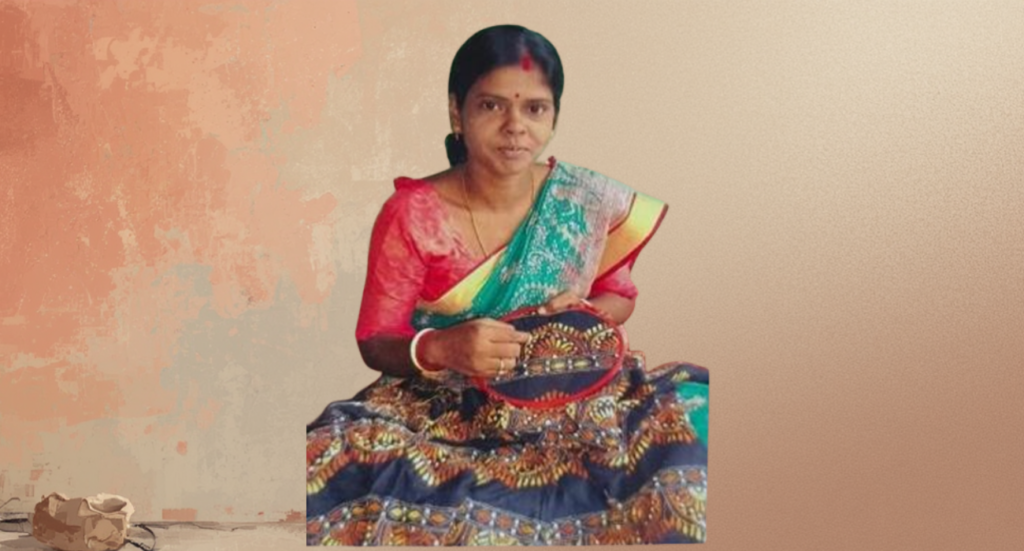
Artisan Name: Rumki Ghosh, Master Artisan & Producer Group Leader Location: Labpur, Birbhum, West Bengal
Producer Group: Nabagoto (formed under CISCO Project)
What Changed
The Labpur Kantha-Stitch Cluster transitioned from a collection of individual artisans to a market-ready Producer Group (PG). Through strategic market linkage meetings, the cluster secured interest from reputed wholesalers — notably Kamola Store (owned by Sujit Saha, with outlets in Kirnahar and other West Bengal states).
Key Achievement
A business concept developed by the CISCO Project’s Junior Designer was approved by the wholesaler. The formal PG, Nabagoto, is now positioned to manage orders worth ₹15–20 lakh — a massive leap that secures work for the community for months.
Technical Evolution
Led by master artisan Rumki Ghosh, the PG moved beyond traditional sarees into dress materials and home furnishings, reducing single-product risk. Rumki herself transitioned from sewing machine operation to becoming a Kantha Stitch artisan, with increased speed and precision.
Elimination of Middleman
By introducing the PG model, artisans have successfully eliminated the middleman, ensuring that financial rewards remain within the community.
Conclusion
The Labpur cluster is a blueprint for rural empowerment — combining financial literacy, modern design, and direct market access to transform a traditional craft into a sustainable, high-growth business.

Previous Article
Next Article

The Foundation for MSME Clusters (FMC) specializes in promotion of MSMEs through cluster..
Contact
USO House, 2nd Floor, USO Road,
Off Shaheed Jeet Singh Marg,
6, Special Institutional Area,
New Delhi – 110067
Copyright 2024 © All Rights Reserved