

Building a Sustainable and Globally Competitive Textile Recycling Ecosystem
By fmadmin
Building a Sustainable and Globally Competitive Textile Recycling Ecosystem
Project Synopsis
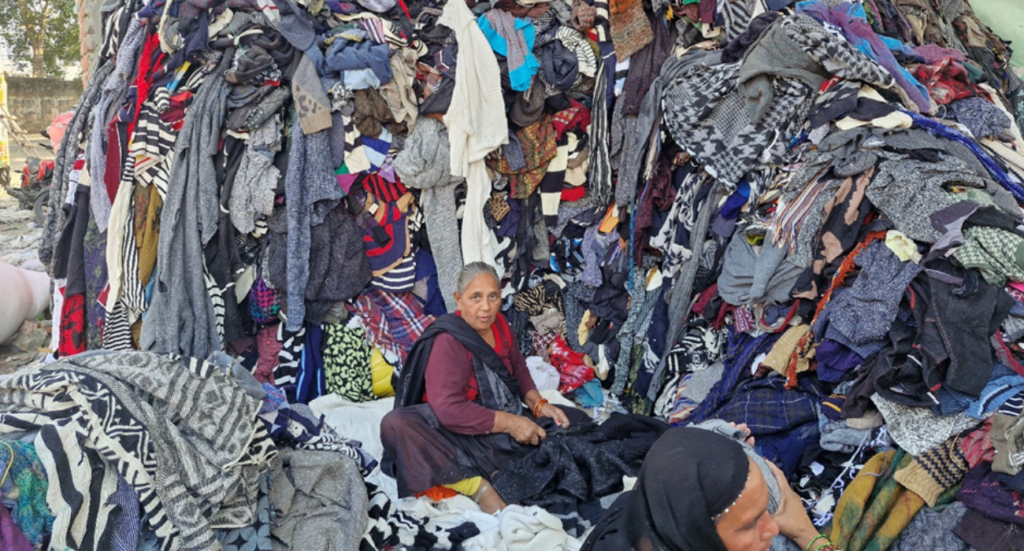
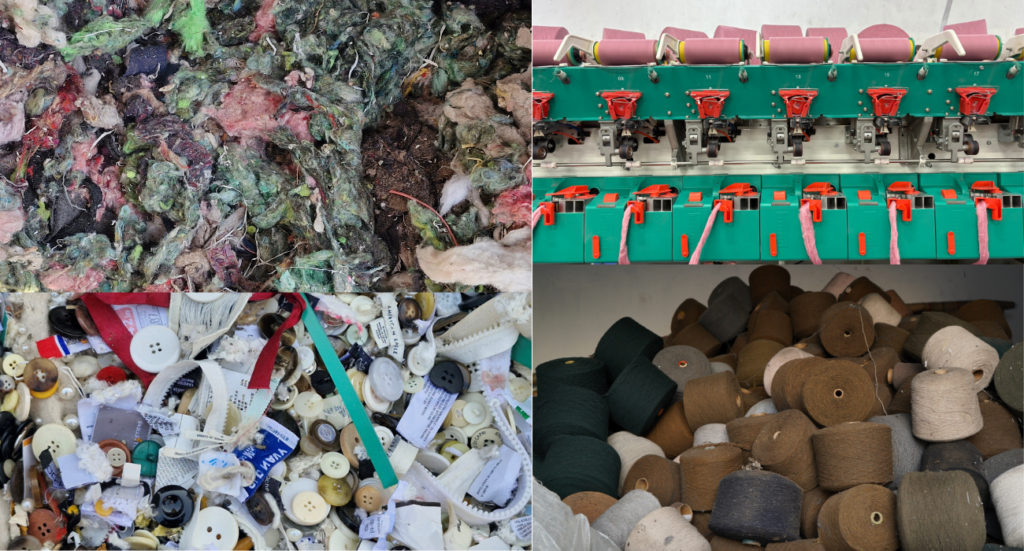
Every day, thousands of tonnes of discarded textiles begin a new life in the recycling clusters of Panipat, Amroha, and Bhojpur. What was once considered waste is transformed into yarn, blankets, carpets, rugs, home furnishings, and industrial products, creating livelihoods for thousands of workers while supporting one of the world’s largest circular textile ecosystems.
Green Threads: Enhancing Sustainability in India’s Textile Recycling Clusters is an initiative under the European Union’s SWITCH-Asia Programme. The project is being implemented from 2025 to 2028 by the Foundation for MSME Clusters (FMC), in partnership with the Copenhagen Business School (CBS), the Global Fashion Agenda (GFA), the Friedrich Naumann Foundation for Freedom (FNF), and the Small Industries Development Bank of India (SIDBI).
The initiative aims to build a low-carbon, transparent, resource-efficient, and globally competitive textile recycling ecosystem that aligns with emerging international sustainability standards.
Why These Clusters Matter
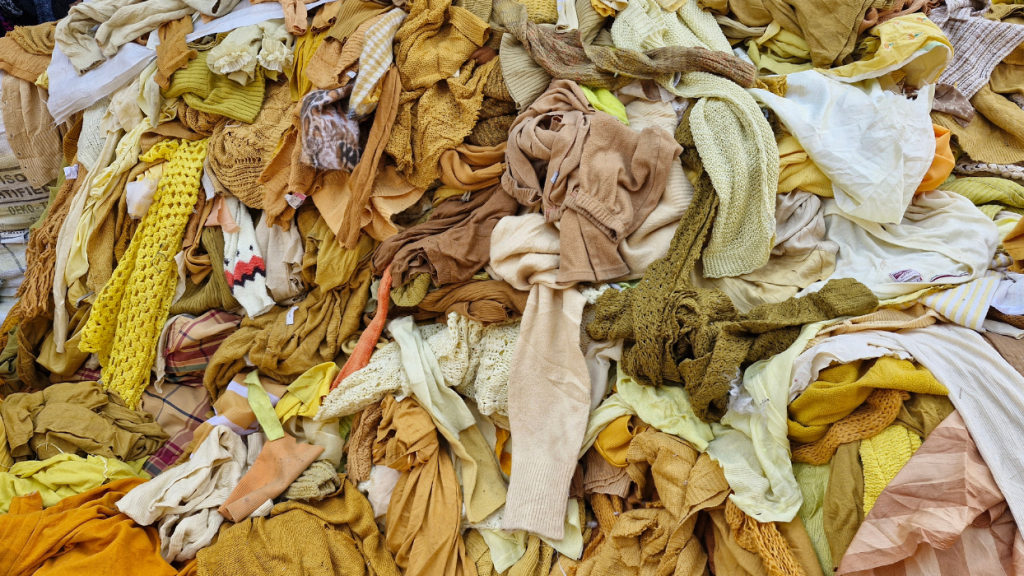
The project focuses on three important textile recycling hubs in northern India: Panipat in Haryana and Amroha and Bhojpur in Uttar Pradesh. Together, these clusters represent one of the world’s most significant regional centres for textile recycling and circular textile production.
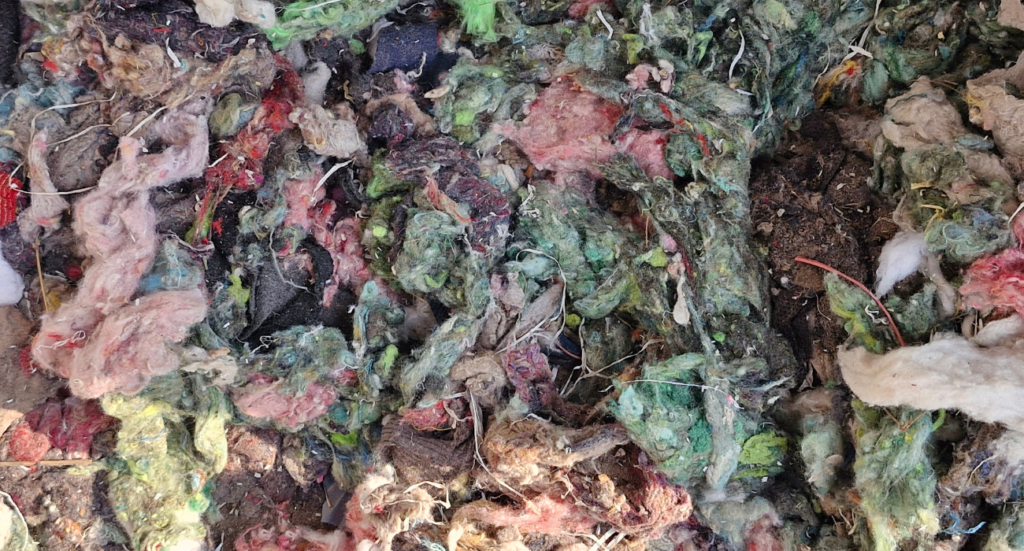
Panipat, often known as the “Cast-off Capital of the World,” processes nearly 4,000 tonnes of textile waste every day. The cluster transforms discarded textiles into blankets, carpets, curtains, mats, towels, rugs, yarn, and home furnishings for domestic and international markets.
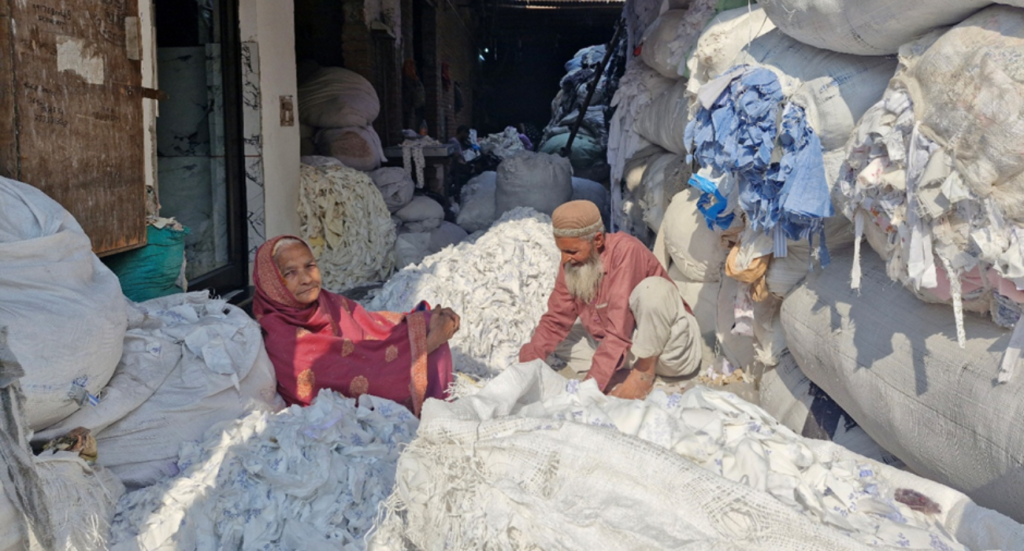
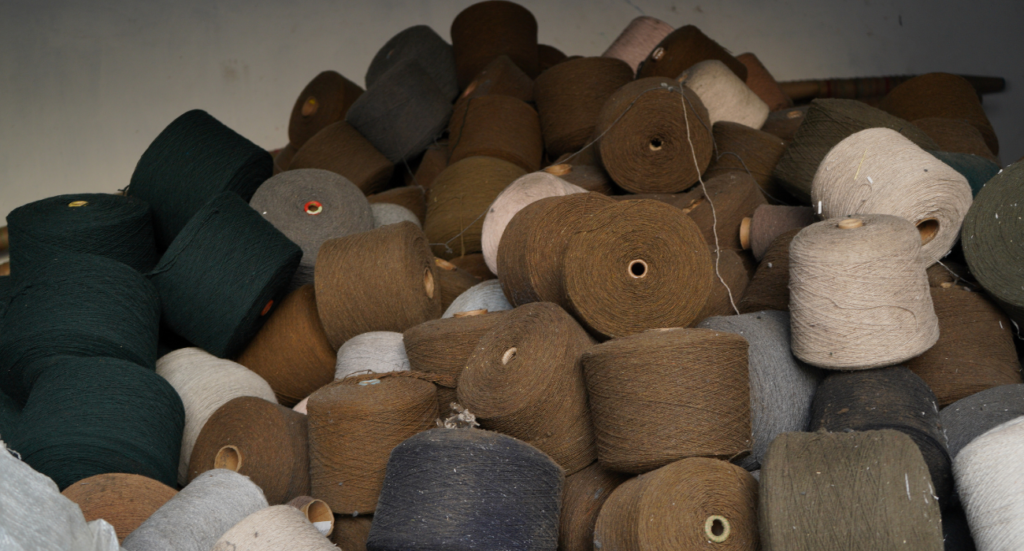
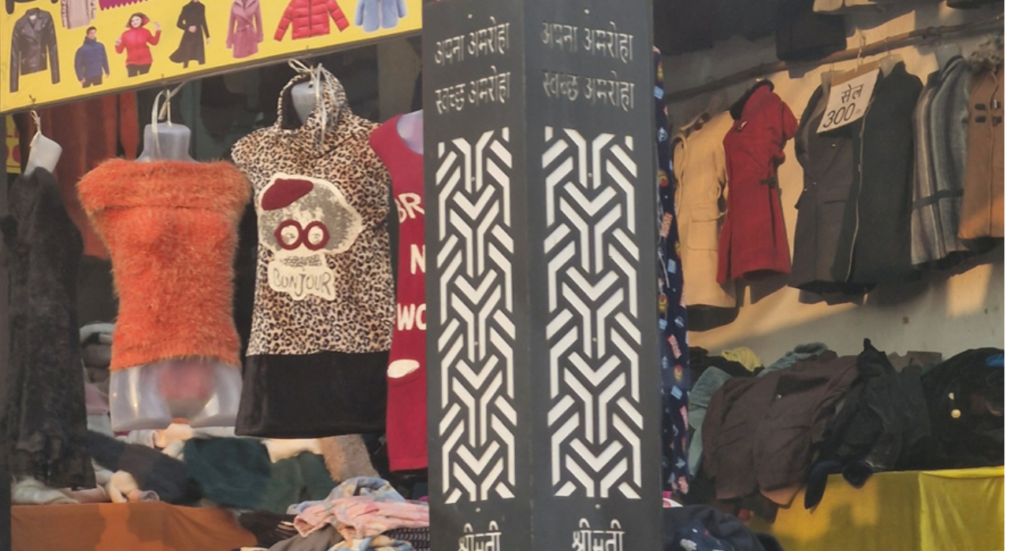
Amroha specialises in processing cotton-rich textile waste into reusable fibres, while Bhojpur’s women artisans convert discarded woollen garments into handwoven rugs, durries, and other home textiles. Together, these clusters create an interconnected ecosystem that combines industrial-scale recycling with traditional craftsmanship.
The Challenge
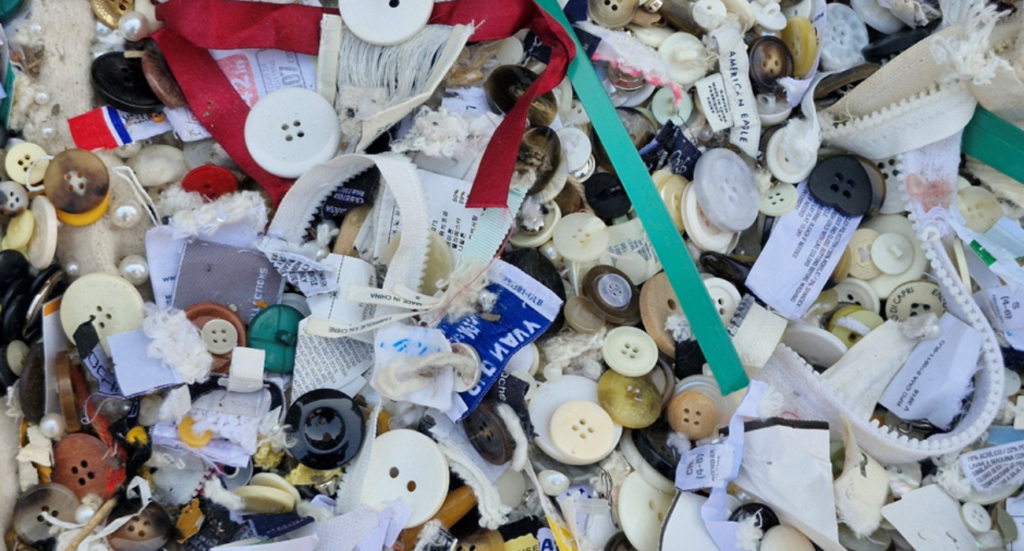
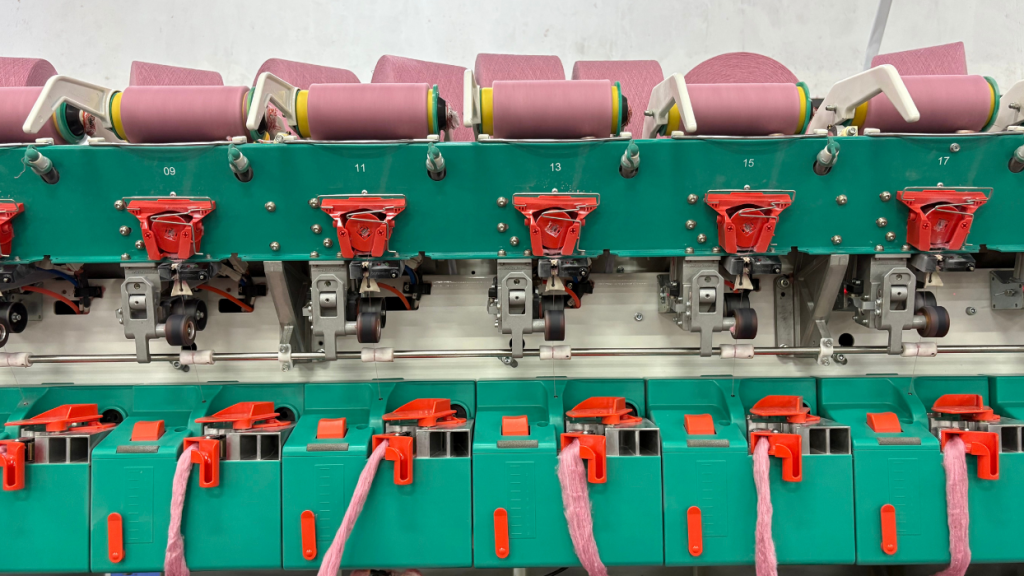
Despite their remarkable contribution to the circular economy, these clusters face several challenges. Many enterprises continue to use machinery that is 10 to 15 years old, leading to higher energy consumption, increased water usage, and greater greenhouse gas emissions. Limited wastewater treatment infrastructure, insufficient digital monitoring systems, inadequate traceability mechanisms, and restricted access to green finance further affect their competitiveness.
The clusters must also adapt to evolving international regulations, including the Digital Product Passport (DPP), the Eco-design for Sustainable Products Regulation (ESPR), Extended Producer Responsibility (EPR) requirements, REACH regulations, and emerging carbon reduction standards.
Our Vision
The project seeks to transform Panipat, Amroha, and Bhojpur into globally recognised centres of sustainable and transparent textile recycling by focusing on five key priorities:
- Developing a Sustainable Cluster Brand (SCB) for responsible production.
- Establishing a Traceability Mechanism for Textile Waste (TMTW).
- Promoting Sustainable Production Practices (SPP).
- Improving access to green finance.
- Strengthening the policy ecosystem for climate resilience.
The project will directly support up to 1000 MSMEs and 10 business membership organisations (BMOs).
Through these interlinked objectives, the Action aims to transform India’s textile recycling hubs into globally competitive, environmentally responsible, and socially inclusive clusters, contributing significantly to carbon reduction, circular resource use, and climate resilience while supporting livelihoods for over 4,50,000 workers in the targeted regions through Occupational Health & Safety
Our Approach
FMC follows an integrated cluster development approach that combines enterprise-level interventions with broader ecosystem development to create long-term and sustainable change across the entire textile recycling value chain. The initiative brings together MSMEs, business membership organisations, financial institutions, technology providers, policymakers, researchers, and international partners to strengthen productivity, sustainability, innovation, market access, and institutional support systems.
The project addresses both technical and institutional barriers at every stage of the value chain, from waste collection and sorting to spinning, dyeing, weaving, manufacturing, and value addition. Through research, capacity building, technology adoption, traceability systems, access to green finance, and policy engagement, the project aims to build a more resilient, resource-efficient, and globally competitive ecosystem.
Particular emphasis is being placed on:
- Resource efficiency and decarbonisation
- Occupational health and safety
- Digital traceability systems
- Wastewater treatment and chemical management
- Green financing mechanisms
- Skills development and technology upgrades
Year One Achievements
During the first year, the project completed a comprehensive baseline study of the Panipat cluster, mapping carbon emissions, energy consumption, water use, waste flows, and sustainability readiness across the value chain.
Other major achievements included:
- Three stakeholder workshops conducted under the Sustainable Cluster Brand initiative.
- Introductory workshops organised on sustainable production practices.
- Sustainability assessments completed for 25 MSMEs.
- Development of a draft Sustainable Production Practices (SPP) Manual for the Panipat cluster.
- Partnerships strengthened with international organisations and technical experts.
Learning from Global Best Practices
The project has strengthened international collaboration through participation in global forums and technical exchanges in Austria, Denmark, and Thailand. These engagements included the Global Green Industrialisation Dialogue in Vienna, consultations with the Global Fashion Agenda in Copenhagen, a technical visit to the NewRetex automated textile-sorting facility in Denmark, and the SWITCH-Asia Annual Meeting in Bangkok.
These exchanges have provided valuable insights into resource efficiency, traceability systems, cleaner production methods, and innovative circular business models.
Early Impact
Although the project is still in its early stages, it has already created a strong foundation for long-term transformation. Enterprises have become more aware of international sustainability standards, carbon reduction pathways, traceability requirements, and resource-efficient production methods. At the same time, collaboration among businesses, industry associations, financial institutions, government agencies, and international organisations has become significantly stronger.
Looking Ahead
In the years ahead, Green Threads will continue to strengthen sustainable production systems, expand traceability mechanisms, improve access to green finance, promote cleaner technologies, and enhance the global visibility of India’s textile recycling industry.
By combining innovation, sustainability, and collaboration, the project aims to position India’s textile recycling clusters as global leaders in the circular economy while creating a more resilient, transparent, and inclusive future for the sector.
Next Article

The Foundation for MSME Clusters (FMC) specializes in promotion of MSMEs through cluster..
Contact
USO House, 2nd Floor, USO Road,
Off Shaheed Jeet Singh Marg,
6, Special Institutional Area,
New Delhi – 110067
Copyright 2024 © All Rights Reserved