What if climate action began not in boardrooms, but in villages? What if communities themselves led the journey towards a greener future?
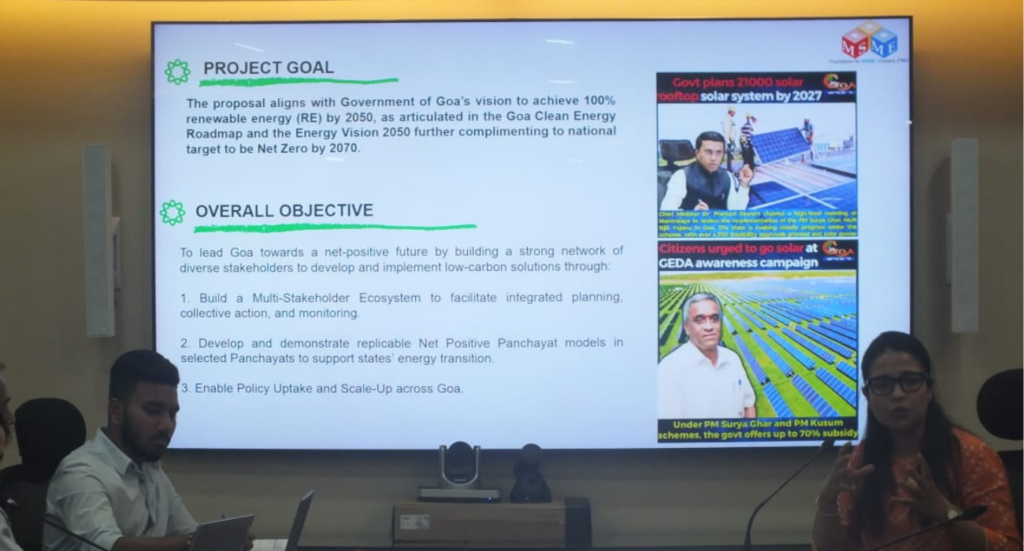
The Greener Goa: Building Net Positive Panchayats initiative is built on this belief. The project supports village-level institutions in Goa to reduce carbon emissions while improving livelihoods, conserving natural resources, and strengthening local resilience.
By combining clean energy solutions, sustainable practices, and active community participation, the initiative aims to transform selected Panchayats into living models of climate responsibility—replicable across regions.
At its heart, the project is not just about reducing emissions. It is about enabling communities to shape their own sustainable future.
Pre-Intervention Situation
Goa is known for its natural beauty, vibrant tourism, and rich cultural heritage. Yet beneath this charm lies a growing environmental challenge. Rising energy consumption, increasing vehicle density, and dependence on fossil fuels have steadily increased the state’s carbon footprint.
While progressive policies promote renewable energy and sustainability, translating these into grassroots action has remained a challenge. Many Panchayats lacked the technical know-how, resources, and institutional platforms to convert intent into action.
Communities were willing—but needed direction, support, and confidence.
Challenges Faced
Transitioning to a low-carbon future is complex. Communities faced multiple barriers:
Limited awareness of climate-friendly technologies and practices
Weak coordination between local institutions, government bodies, and private stakeholders
Financial and technical constraints in adopting clean energy solutions
Behavioural resistance in everyday practices
Lack of demonstrable models showing economic viability of sustainable solutions
These challenges highlighted the need for a participatory, community-driven approach.
FMC’s Approach: Communities at the Centre
FMC’s philosophy is simple—lasting change happens when communities lead it. Drawing on its experience in cluster development, FMC brings together people, institutions, and knowledge to co-create solutions.
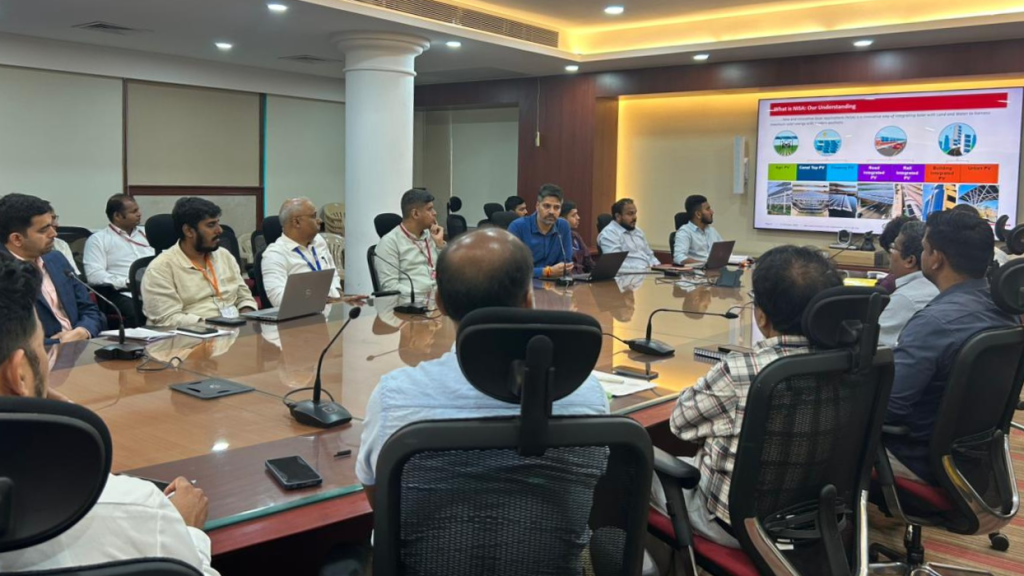
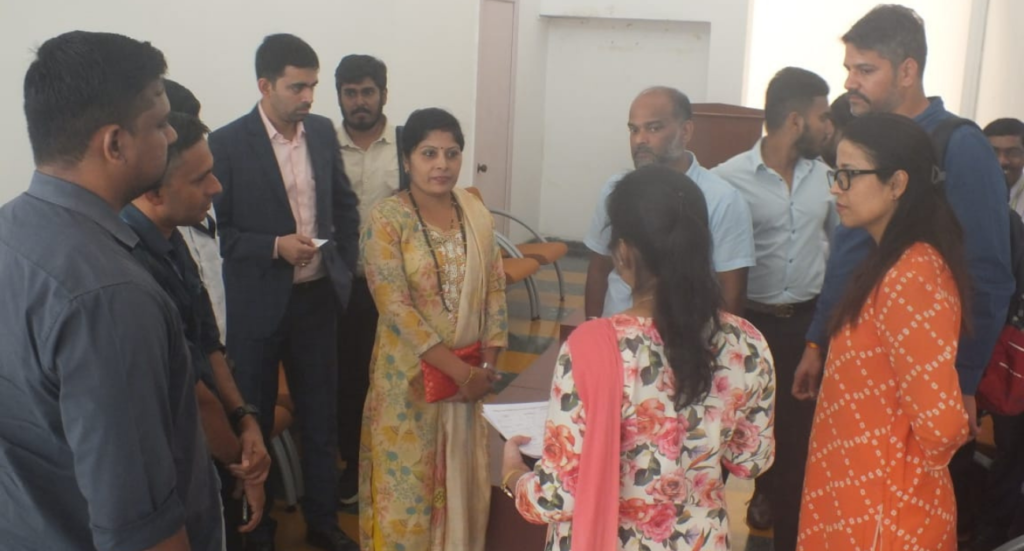
The project works closely with Panchayat leaders, women’s groups, youth, local businesses, and government departments. Instead of imposing predefined models, the approach begins with listening—understanding local priorities, aspirations, and constraints.
This is complemented by:
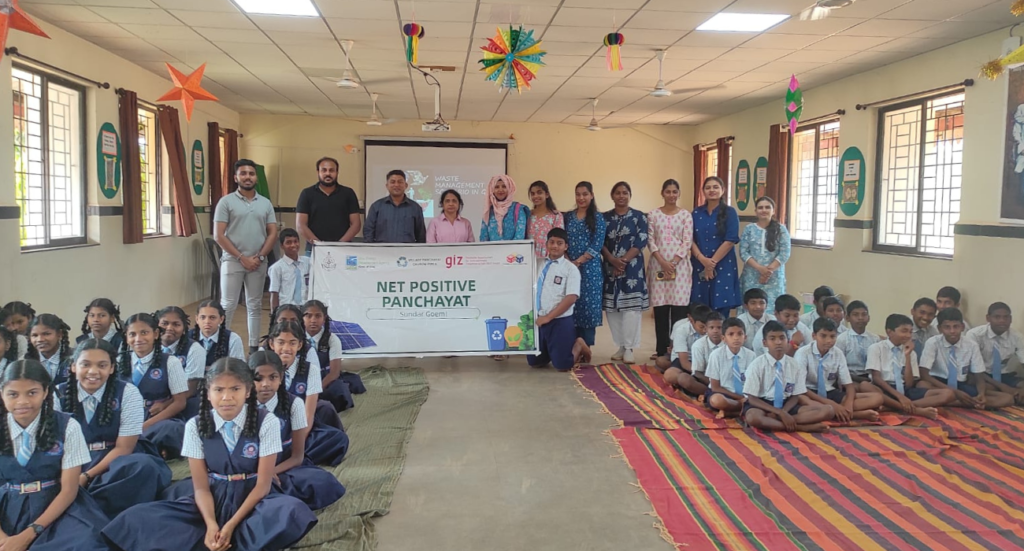
Community Awareness & Behaviour Change Solar awareness campaigns and school-based IEC programmes on waste management have mobilised students, local representatives, and communities—building ownership and driving behavioural shifts.
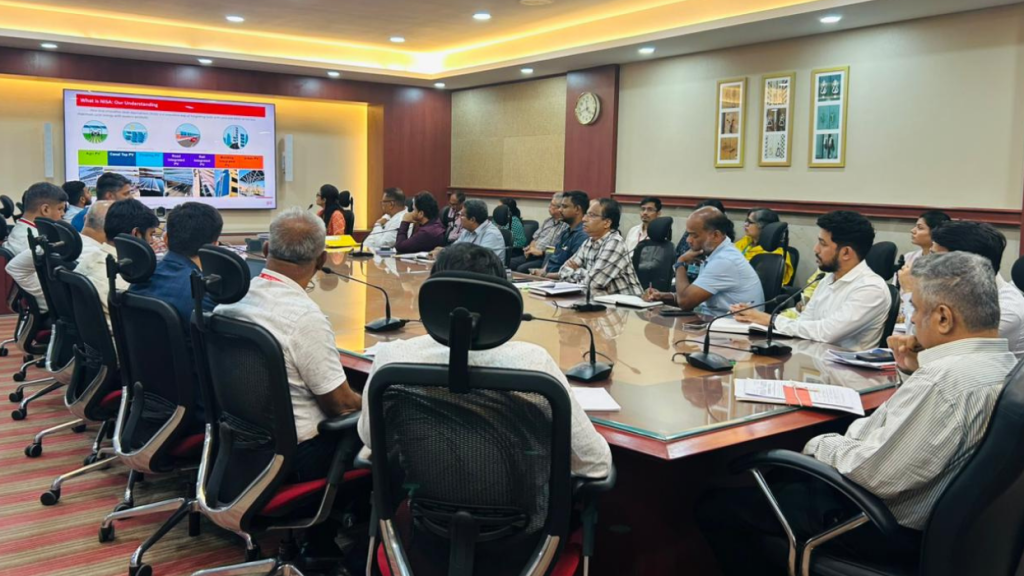
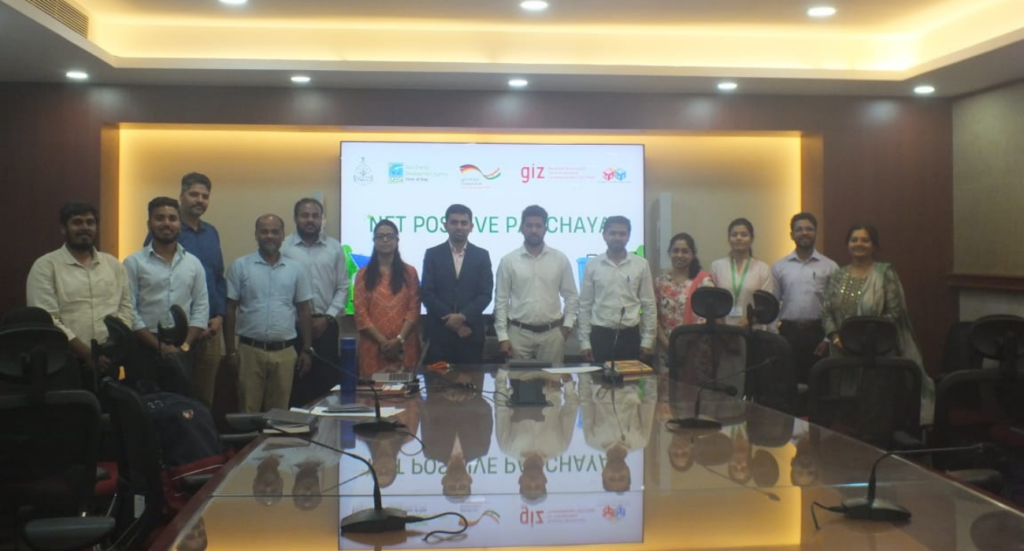
Institutional Strengthening State-level engagement, SSC meetings, and the proposed Green Committee are enabling structured governance and long-term implementation.
Strategic Partnerships & Convergence Collaboration with GT, EKI, and YIMBY has brought in technical expertise while enabling convergence with relevant government departments.
Local Leadership & Ecosystem Building The initiative promotes community-led proposals, local entrepreneurship, and effective use of existing governance systems—creating a foundation for sustained impact.
Methodology
The journey towards Net Positive Panchayats unfolds in stages:
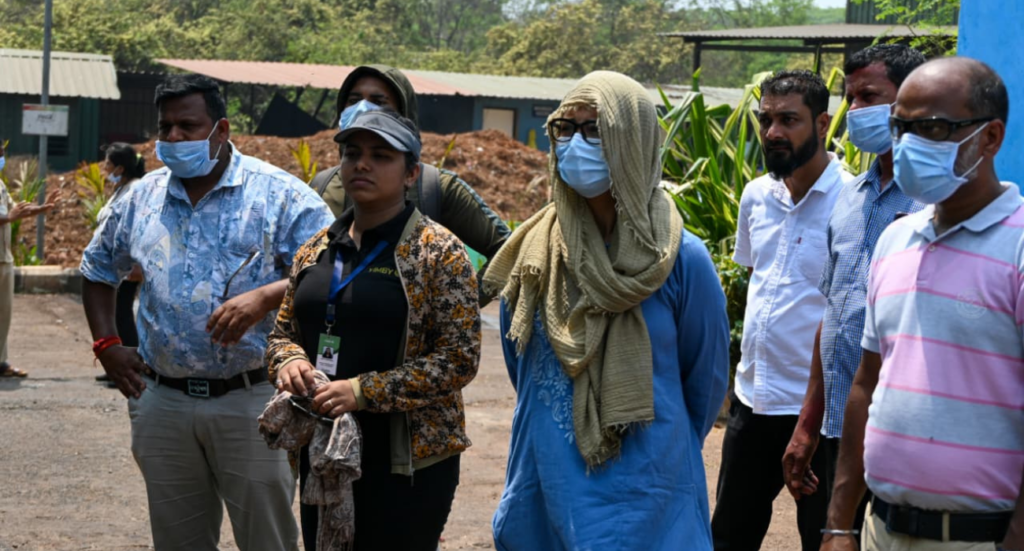
Listening and Understanding Diagnostics, data analysis, and consultations help identify emission sources and local opportunities.
Co-Creating Solutions Communities design action plans integrating renewable energy, waste management, green livelihoods, and nature-based solutions.
Building Capacity and Confidence Workshops, exposure visits, and campaigns equip stakeholders with knowledge and skills.
Demonstrating Possibilities Pilot initiatives—ranging from solar solutions to sustainable cooking and waste systems—show that green practices are both feasible and beneficial.
Scaling and Replication Learnings are documented and shared to enable replication across Panchayats.
Impact So Far: Turning Intent into Action
The initiative is already translating ideas into visible change:
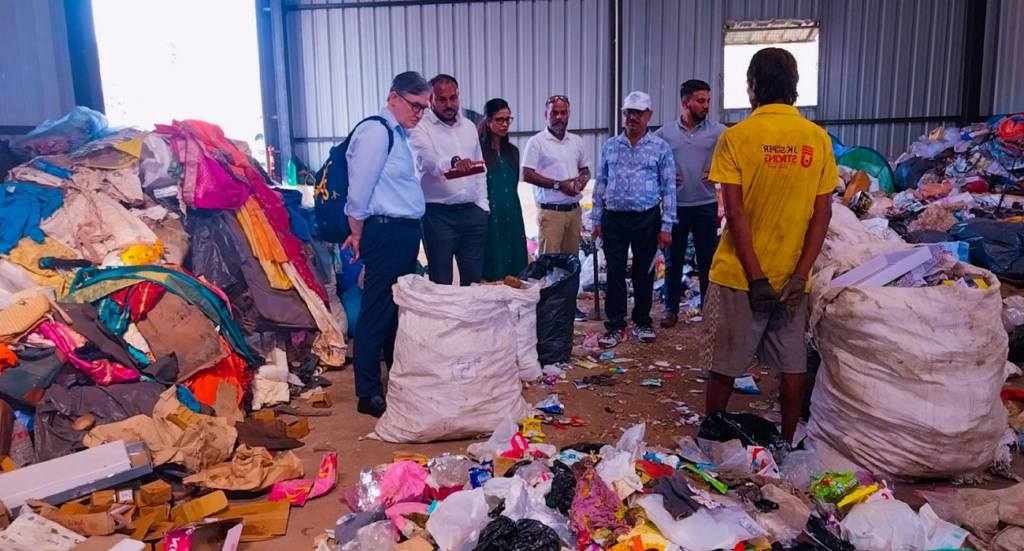
Strengthened Waste Management Systems Door-to-door waste collection in the Caurem–Pirla Panchayat has improved segregation, streamlined collection, and encouraged composting.
Clean Energy Transition E-cooking solutions introduced at MRF facilities are reducing dependence on conventional fuels, while solar awareness is encouraging gradual adoption.
Behaviour Change in Communities Continuous engagement with schools and communities is influencing everyday practices, especially in waste and energy use.
Institutional Systems in Place Governance structures and state-level engagement are ensuring continuity and accountability.
Emerging Local Sustainability Ecosystem Panchayats and communities are increasingly taking ownership—designing and implementing their own sustainability initiatives.
Looking Ahead
The vision extends beyond a few Panchayats. It aims to create a ripple effect across Goa—and potentially across India—where sustainability is seen not as a burden, but as an opportunity.
Cleaner environments, resilient livelihoods, and empowered communities can go hand in hand.
Through this initiative, climate action is evolving into a shared movement—driven by local leadership and grounded in community action, one Panchayat at a time.