Empowering 70,000 MSMEs with Cybersecurity Skills…
By fmadmin
Empowering 70,000 MSMEs with Cybersecurity Skills across ten States in India
Supported by The Asia Foundation (TAF)
Project Synopsis
The TAF Cybersecurity Project, implemented by the Foundation for MSME Clusters (FMC), is a national initiative designed to build digital resilience among India’s MSMEs, particularly micro and nano enterprises that form the backbone of the economy yet remain highly vulnerable to cyber threats. At a time when over 65% of MSMEs are adopting digital tools ranging from UPI and GST platforms to e-commerce and cloud-based systems, this transition has largely occurred without corresponding cybersecurity safeguards. The project responds to this critical gap through a structured, evidence-based approach that combines baseline assessment, localized capacity building, and strategic communication. Insights from field implementation and project learnings highlight that MSMEs are not just beneficiaries but active participants when solutions are simplified, contextualized, and delivered through trusted local ecosystems.
Project Objective
The primary objective of the project is to assess cybersecurity awareness, risks, and practices among MSMEs and use these insights to design and implement a targeted training pedagogy that is practical, accessible, and scalable. The initiative aims to build cybersecurity readiness among MSMEs by equipping them with essential cyber hygiene practices, improving their ability to identify and respond to threats, and embedding cybersecurity into everyday business operations. At a larger level, the project seeks to position MSME cybersecurity as a critical pillar of economic resilience and to demonstrate a replicable national model aligned with Digital India and emerging cybersecurity frameworks.
Key Challenges
The project addresses multiple interconnected challenges. At the enterprise level, MSMEs—especially own-account enterprises—show extremely low adoption of cybersecurity measures, with nearly 90% taking no protective steps despite high exposure to phishing, scams, and malware, often resulting in financial losses. Awareness of concepts such as cybersecurity insurance, secure authentication, or data protection remains negligible, and formal training exposure is minimal. Systemically, the absence of MSME-specific cybersecurity strategies, lack of disaggregated data, limited last-mile institutional support, and low penetration of existing government initiatives further deepen the vulnerability. Cybersecurity is often perceived as complex, costly, or irrelevant, making behavioural change a key challenge.
Approach Taken by FMC
FMC has adopted a multi-layered, implementation-driven approach grounded in field realities. This includes conducting a baseline survey across 100 MSMEs in diverse clusters and states to map digital usage patterns and risk exposure, followed by the development of simplified and practical training modules focused on cyber hygiene. The project emphasizes cluster-based interventions through Business Membership Organisations (BMOs), enabling trust-based engagement and localized delivery. A strong focus is placed on simplifying technical concepts into actionable practices such as identifying phishing attempts, securing devices, and managing passwords. The approach is further strengthened through multi-stakeholder engagement involving policymakers, financial institutions, cyber experts, and media, along with a robust communication strategy that uses vernacular, visual, and platform-specific content to drive awareness and participation. Continuous feedback loops and adaptive learning ensure that implementation remains responsive and effective, reflecting key strengths highlighted in project execution.
Expected Outcome
The TAF Cybersecurity Project aims to build cybersecurity resilience among MSMEs at scale by training up to 70,000 underserved MSMEs across multiple cities in India under the APAC Cybersecurity Fund initiative. The goal is to equip these enterprises with essential cybersecurity skills, promote the adoption of basic cyber hygiene practices, and enable them to safeguard their digital operations. At a broader level, the project seeks to contribute to a safer and more secure digital ecosystem, enhance MSME competitiveness, and establish a scalable national model for MSME-focused cybersecurity capacity building.
Actual Results so far
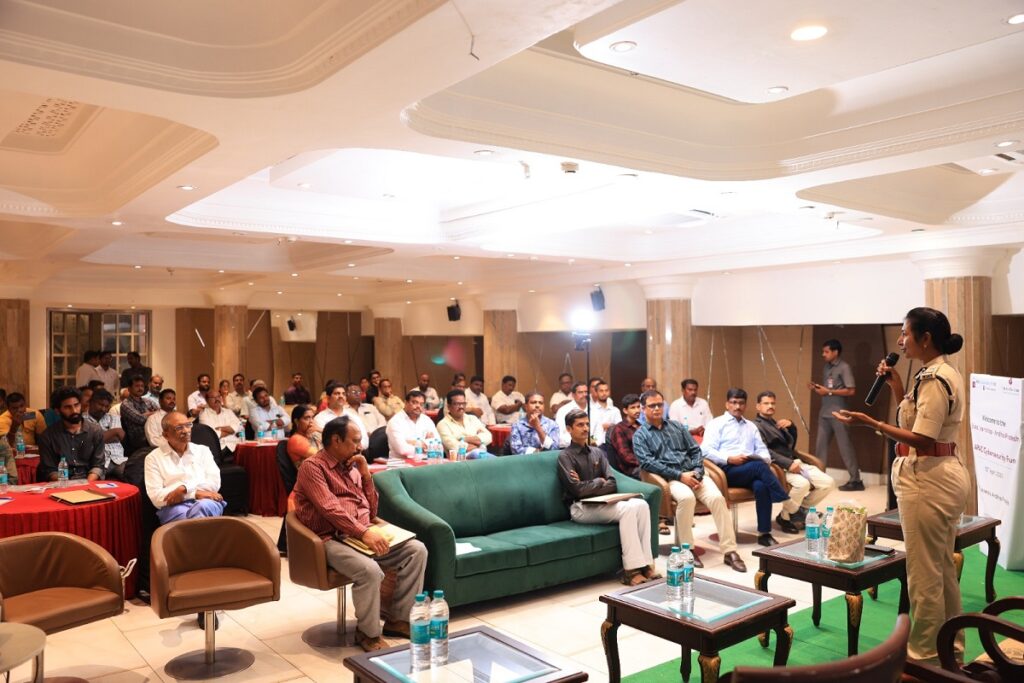
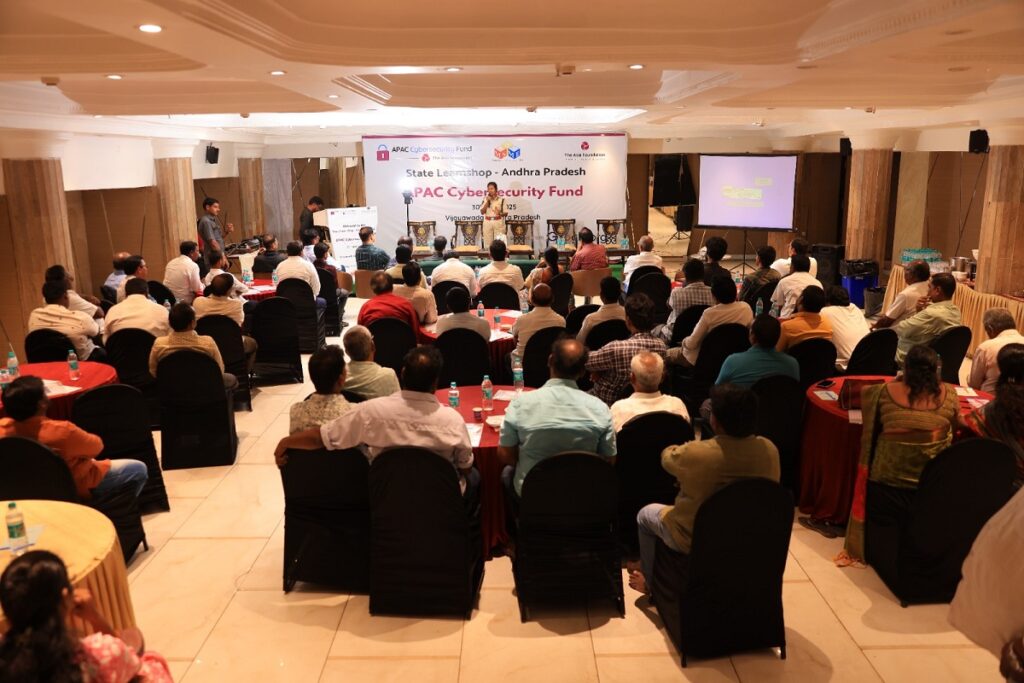
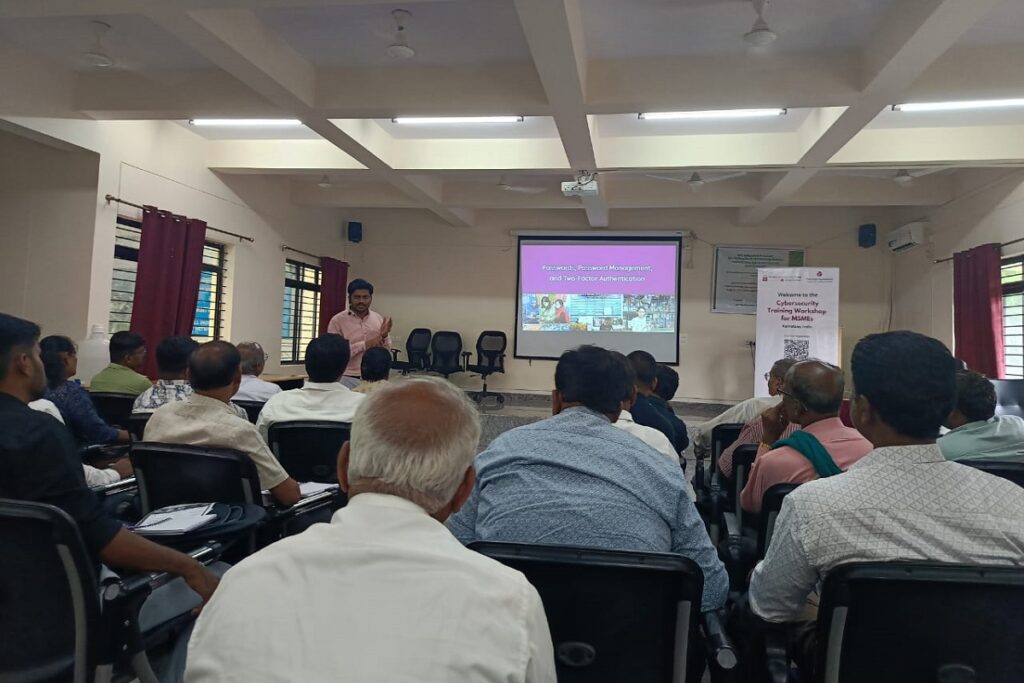
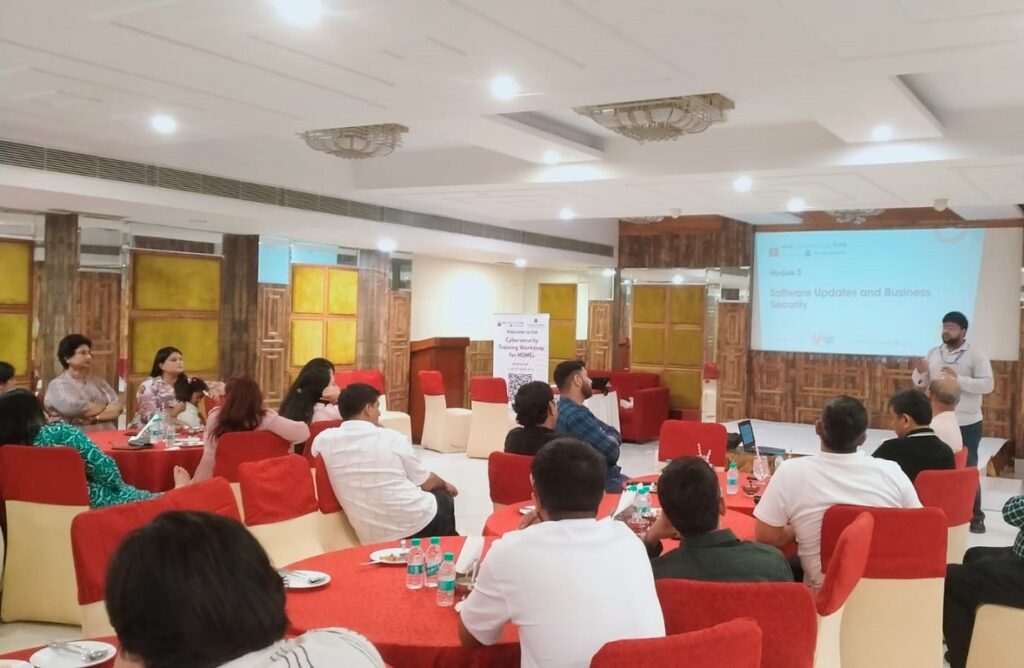
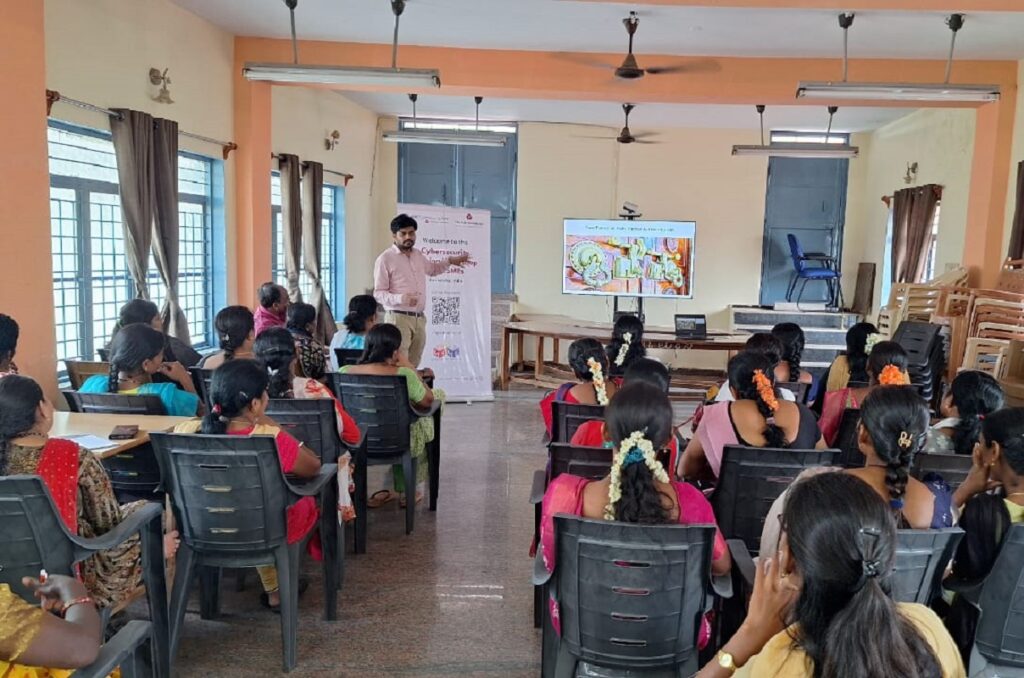
The project has demonstrated strong on-ground outcomes and practical implementation success. Cybersecurity workshops have successfully engaged MSMEs at scale, with high participation and strong interest in learning how to secure their digital operations. 50000 MSMEs across ten states have been trained and shown clear willingness to adopt safer practices when cybersecurity is explained in simple, relatable terms, leading to improved awareness of common threats such as phishing and scams and encouraging the adoption of basic cyber hygiene practices.
Cluster-based engagement through BMOs has proven highly effective in building trust and ensuring last-mile reach, while localized and vernacular communication has significantly improved comprehension and engagement. The project has also validated that cybersecurity can be positioned as a practical business necessity rather than a technical challenge, and that hands-on training formats such as workshops are critical for driving behavioural change. These results establish the project as a scalable and replicable model for strengthening MSME cybersecurity at a national level.