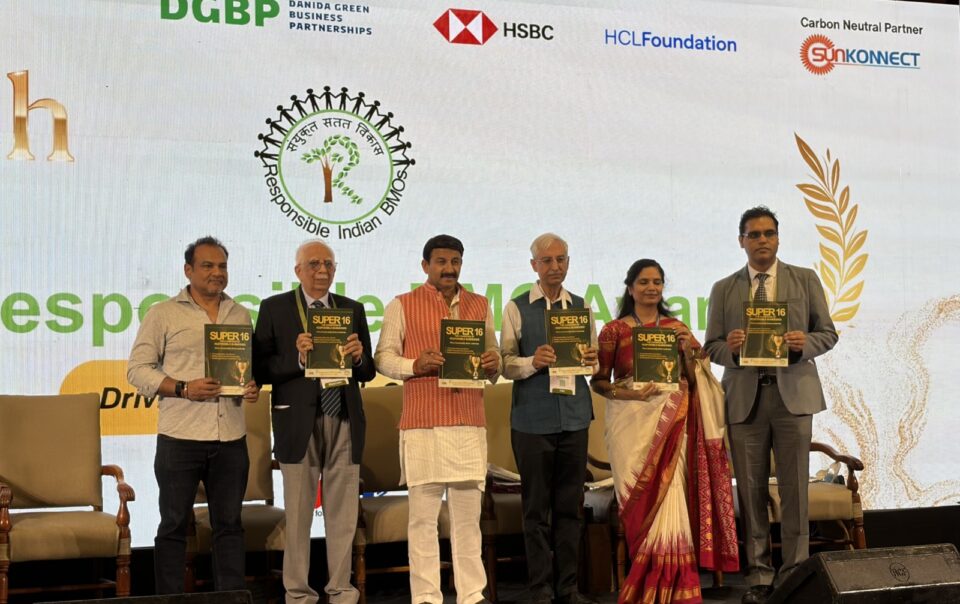
9th Responsible Business Membership Organisations Awards Spotlight Green Finance, Sustainability, and MSME Leadership


Blog Archives

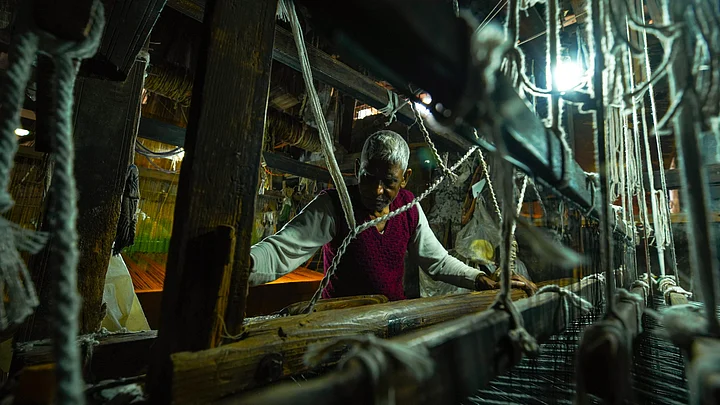
Every year, the world generates an estimated 92 million tonnes of textile waste.
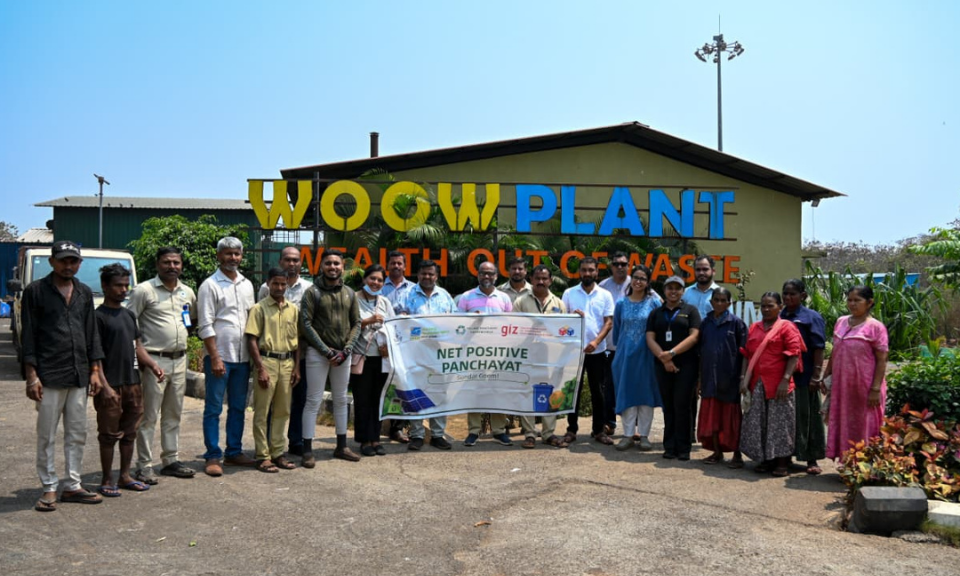
Greener Goa empowers village communities to lead climate action by reducing emissions, strengthening livelihoods, and building resilient, net-positive Panchayats.
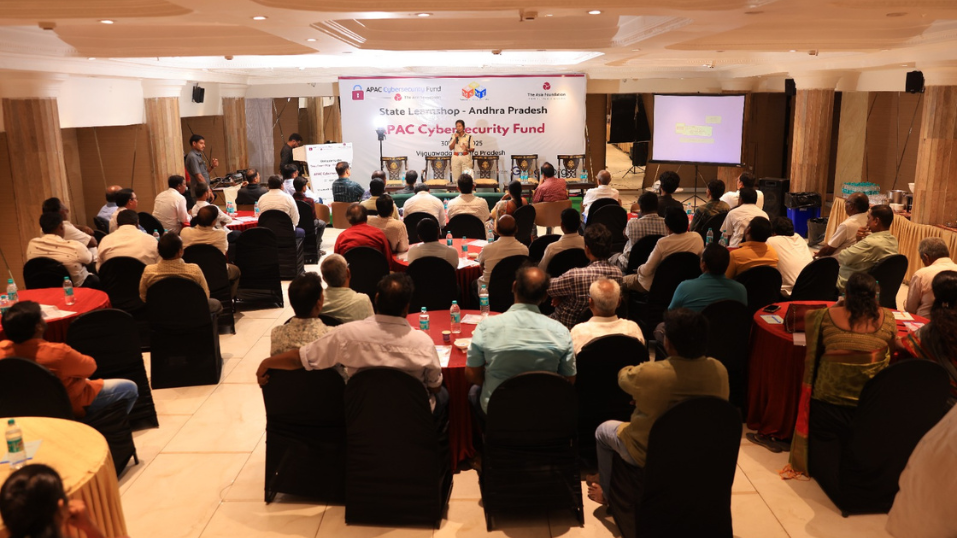
The TAF Cybersecurity Project by FMC strengthens digital resilience among India’s MSMEs by addressing critical cybersecurity gaps
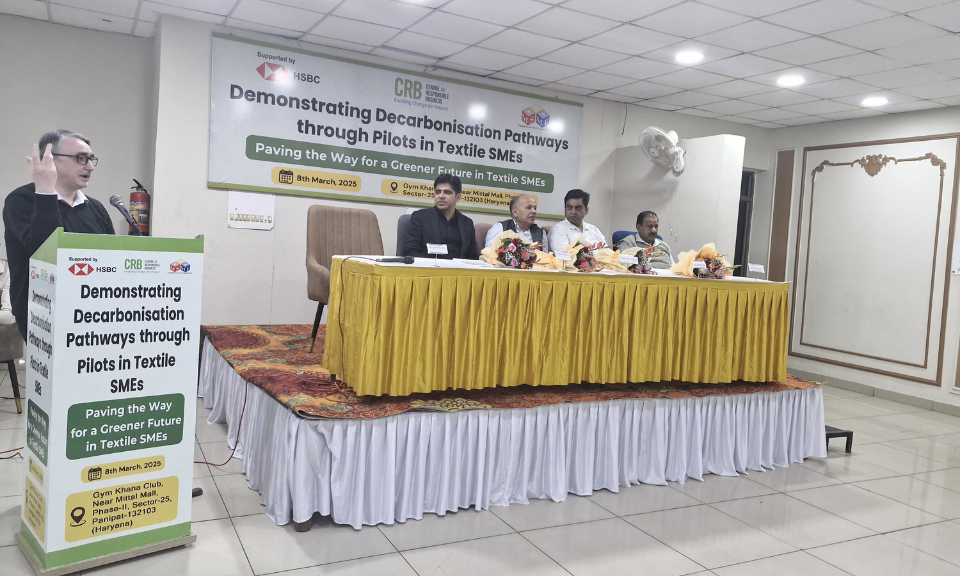
Across India, textile MSMEs are vital to local economies but face growing pressure to adopt sustainable, low-carbon practices in line with global market demands.
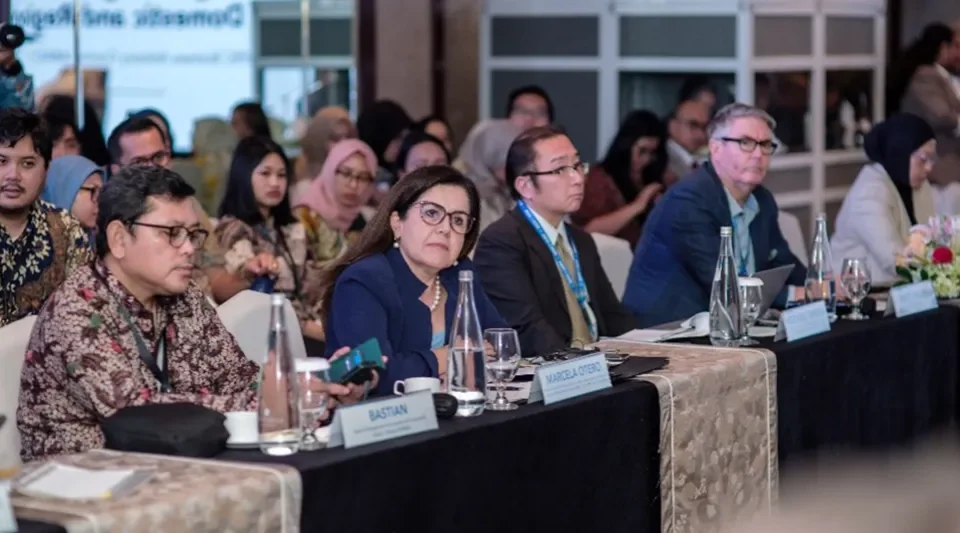
To better understand how to support inclusive business development for micro, small, and medium enterprises (MSMEs) across the APEC region, the Asia Pacific Foundation of Canada…

Odisha Young Entrepreneurs’ Association president Mihir Kumar Kanungo said funds should also be allocated to strengthen all directorates and district industries centres under MSME department.
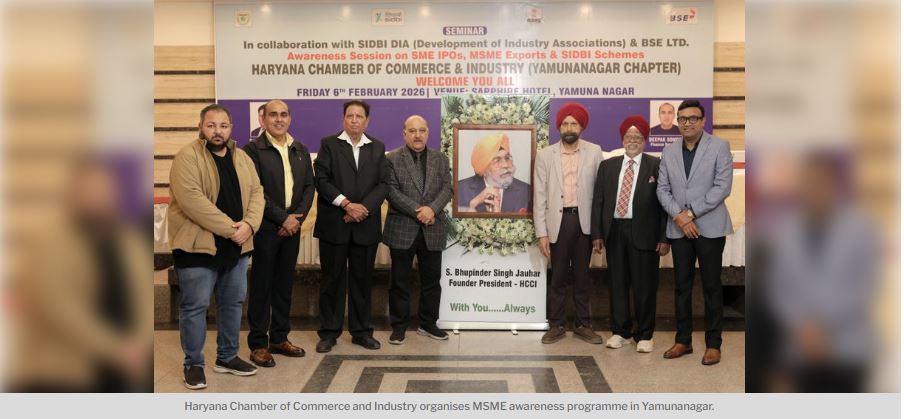
The Haryana Chamber of Commerce and Industry (HCCI), Yamunanagar Chapter, in collaboration with SIDBI DIA (Development of Industry Associations) and BSE Ltd, organized an awareness session on “SME IPOs, MSME Exports, and SIDBI Schemes” in Yamunanagar.

India is standing at a digital crossroads. The next national crisis is unlikely to arrive in the form of a virus carried by people, but through malicious code travelling silently across phones, laptops, and networks.

Many MSME owners are aware that the market is changing and genuinely want to adopt better and more sustainable practices.
Page 2 of 7
